
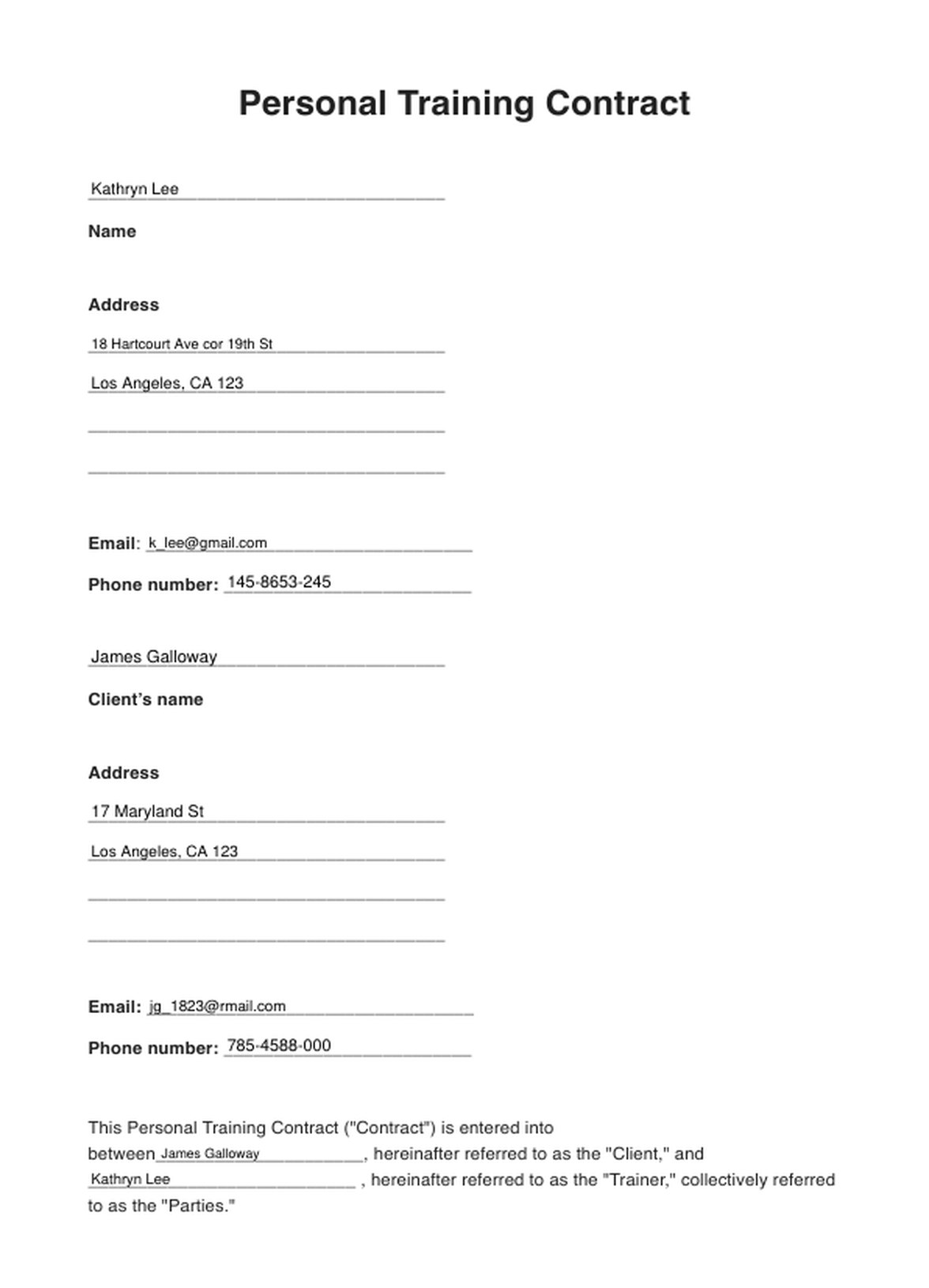
The landscape of professional development is constantly evolving, and for trainers, it’s increasingly vital to establish clear, legally sound agreements with clients. A well-crafted Freelance Trainer Agreement Template is not just a formality; it’s a crucial tool for protecting both the trainer and the client, ensuring a mutually beneficial partnership. This article will delve into the essential components of a robust agreement, providing a comprehensive guide to navigating the complexities of freelance training arrangements. Freelance Trainer Agreement Template – understanding its nuances is paramount for any trainer seeking to build a sustainable and successful business. This template aims to offer a solid foundation, adaptable to various training scenarios and client needs.
The foundation of any successful freelance training agreement rests on a clear understanding of the roles, responsibilities, and expectations of both parties. It’s a document that proactively addresses potential disputes and safeguards the interests of everyone involved. A poorly drafted agreement can lead to misunderstandings, delays, and ultimately, a breakdown in the relationship. Therefore, investing time and effort in creating a comprehensive and legally sound agreement is a worthwhile investment. Let’s explore the key elements that should be included.
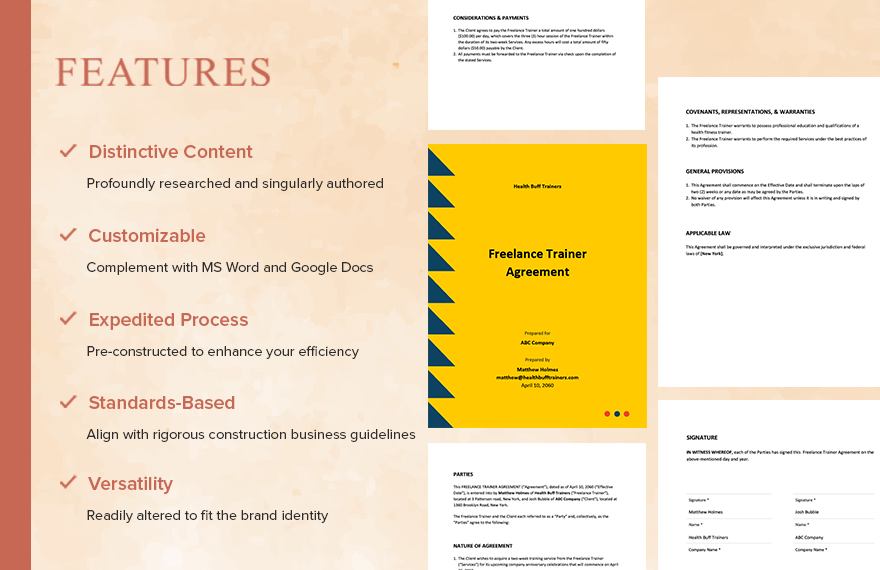
Setting the Stage: Defining Scope and Services
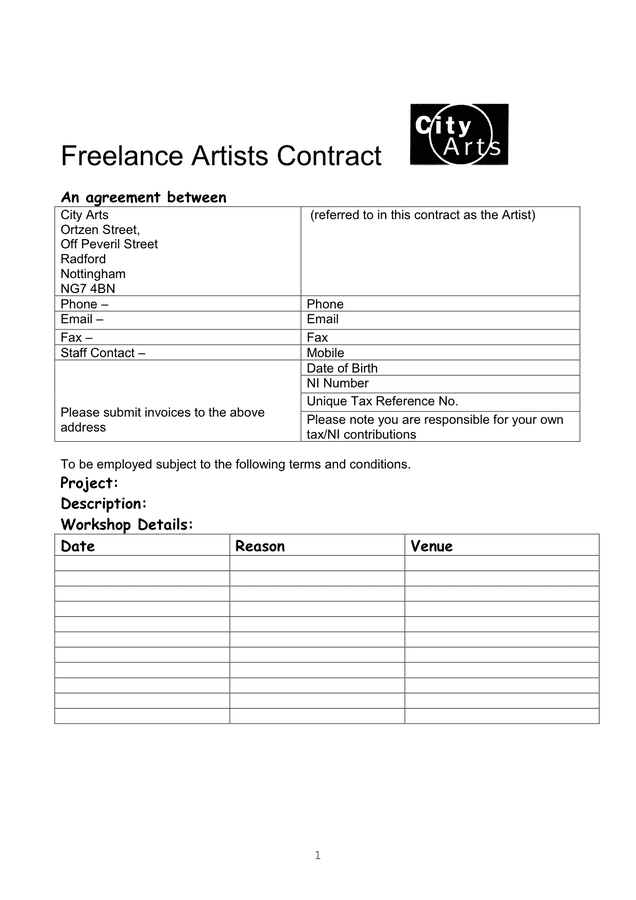
The first and arguably most important section of the agreement should clearly define the scope of services provided. This section needs to be specific and unambiguous, outlining exactly what the trainer will be doing for the client. It’s crucial to avoid vague language and instead, provide concrete examples of training activities. For instance, instead of saying “provide training,” specify “deliver a 6-hour online training program on [specific topic] using [specific platform].” The agreement should also detail the duration of the training sessions, the frequency of sessions, and the number of sessions required to achieve the desired outcomes. Consider including a clause addressing potential revisions to the training program, outlining how changes will be communicated and agreed upon. This protects both the trainer and the client from unexpected changes that could disrupt the training process. Freelance Trainer Agreement Template – a detailed scope definition is the cornerstone of a successful partnership.
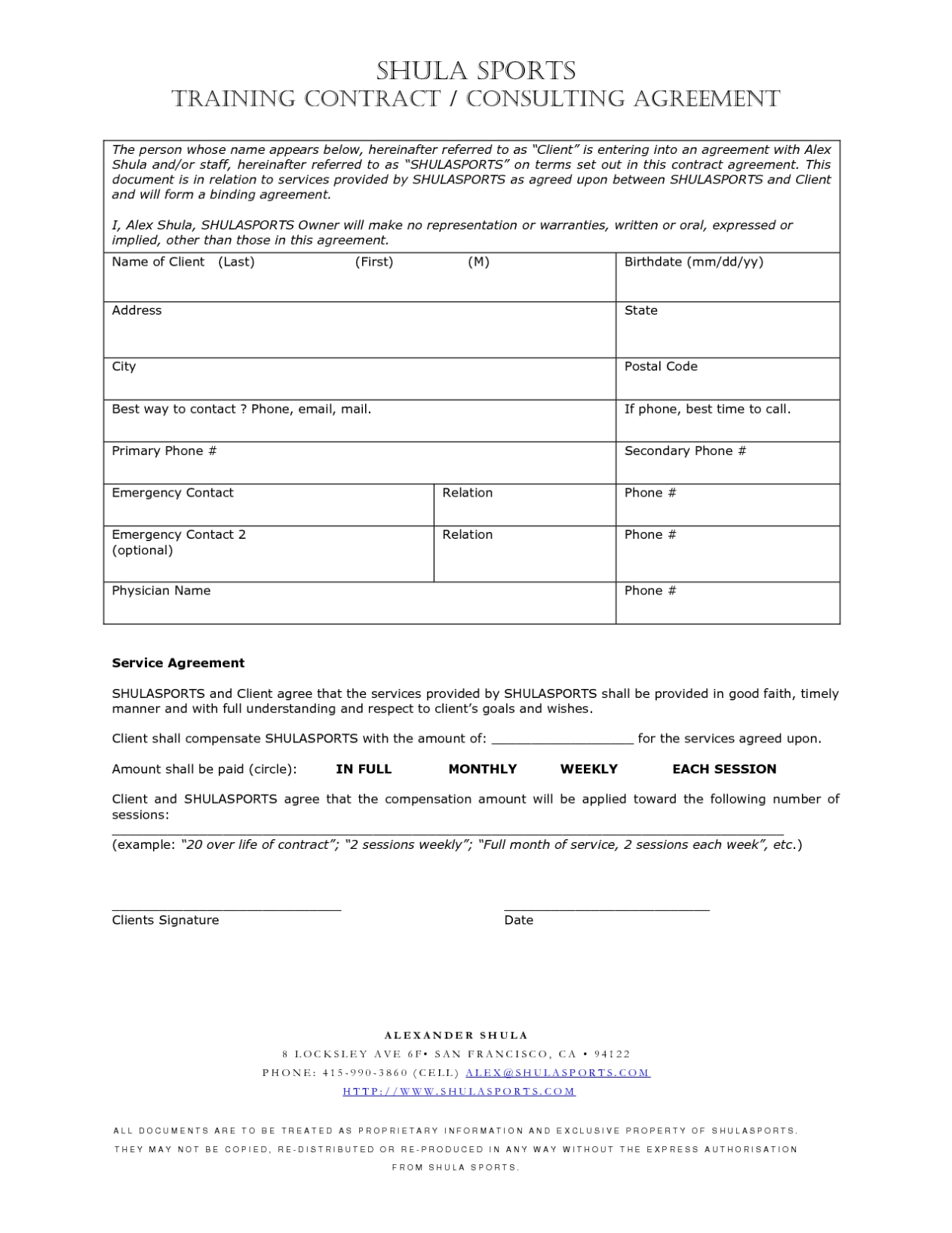
Payment and Fees
Transparency regarding payment terms is another critical aspect of the agreement. The agreement should clearly state the payment schedule, including the amount of each payment, the method of payment (e.g., bank transfer, PayPal), and the due date for each payment. It’s beneficial to include a clause outlining potential late payment fees and the process for handling such situations. Furthermore, the agreement should specify any additional fees that may apply, such as travel expenses, materials, or software licenses. For instance, if the trainer is providing travel expenses, the agreement should clearly outline how these will be calculated and reimbursed. Freelance Trainer Agreement Template – establishing clear payment terms minimizes the risk of disputes and ensures a smooth financial relationship.
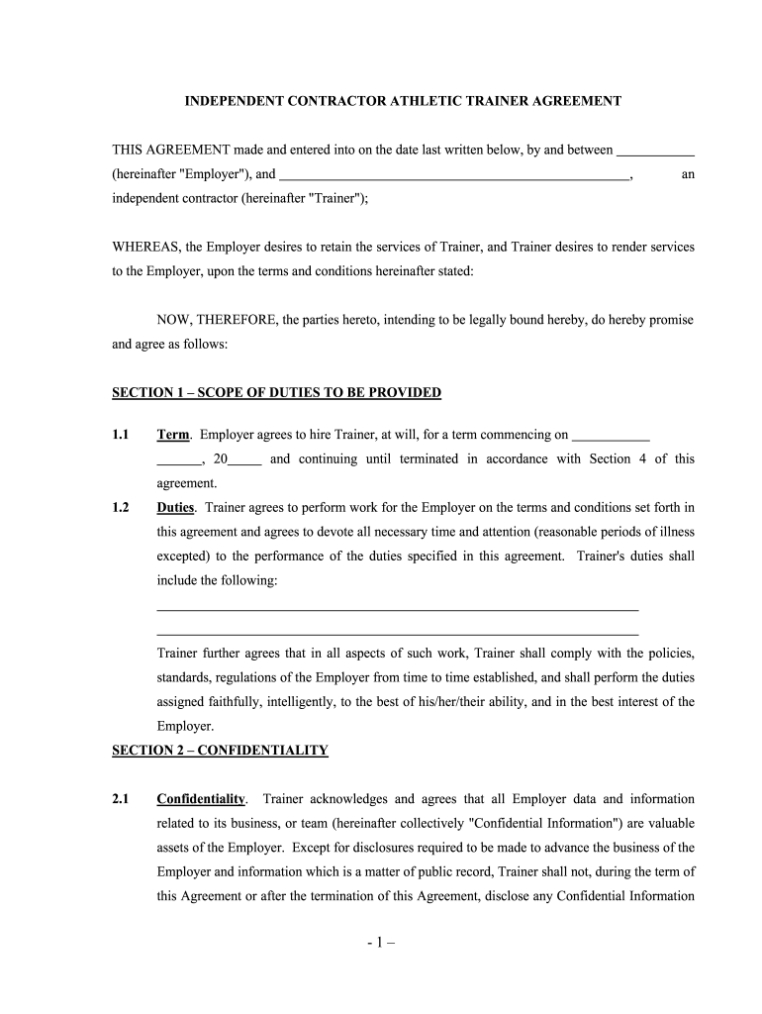
Intellectual Property and Confidentiality
Protecting the trainer’s intellectual property and maintaining client confidentiality are vital considerations. The agreement should explicitly address ownership of materials created during the training sessions. Typically, the trainer retains ownership of the training materials, but the client may have certain rights to use them for their own purposes. A confidentiality clause is essential, prohibiting the trainer from disclosing any confidential information shared by the client during the training sessions. This protects the client’s business interests and maintains the trust within the relationship. It’s important to clearly define what constitutes “confidential information” – this could include client data, strategies, or proprietary knowledge. Freelance Trainer Agreement Template – protecting intellectual property and maintaining confidentiality is a fundamental responsibility for any trainer.

Termination and Dispute Resolution
The agreement should outline the conditions under which either party can terminate the training arrangement. It’s generally advisable to include a clause specifying a reasonable notice period before termination, typically 30-60 days. The agreement should also address the process for resolving disputes, such as mediation or arbitration. A clear dispute resolution mechanism ensures a fair and efficient way to handle disagreements that may arise during the training process. Consider including a clause outlining the trainer’s right to seek legal counsel before terminating the agreement. This demonstrates a commitment to protecting the trainer’s interests and fostering a collaborative environment. Freelance Trainer Agreement Template – establishing clear termination and dispute resolution procedures provides a framework for managing potential conflicts.
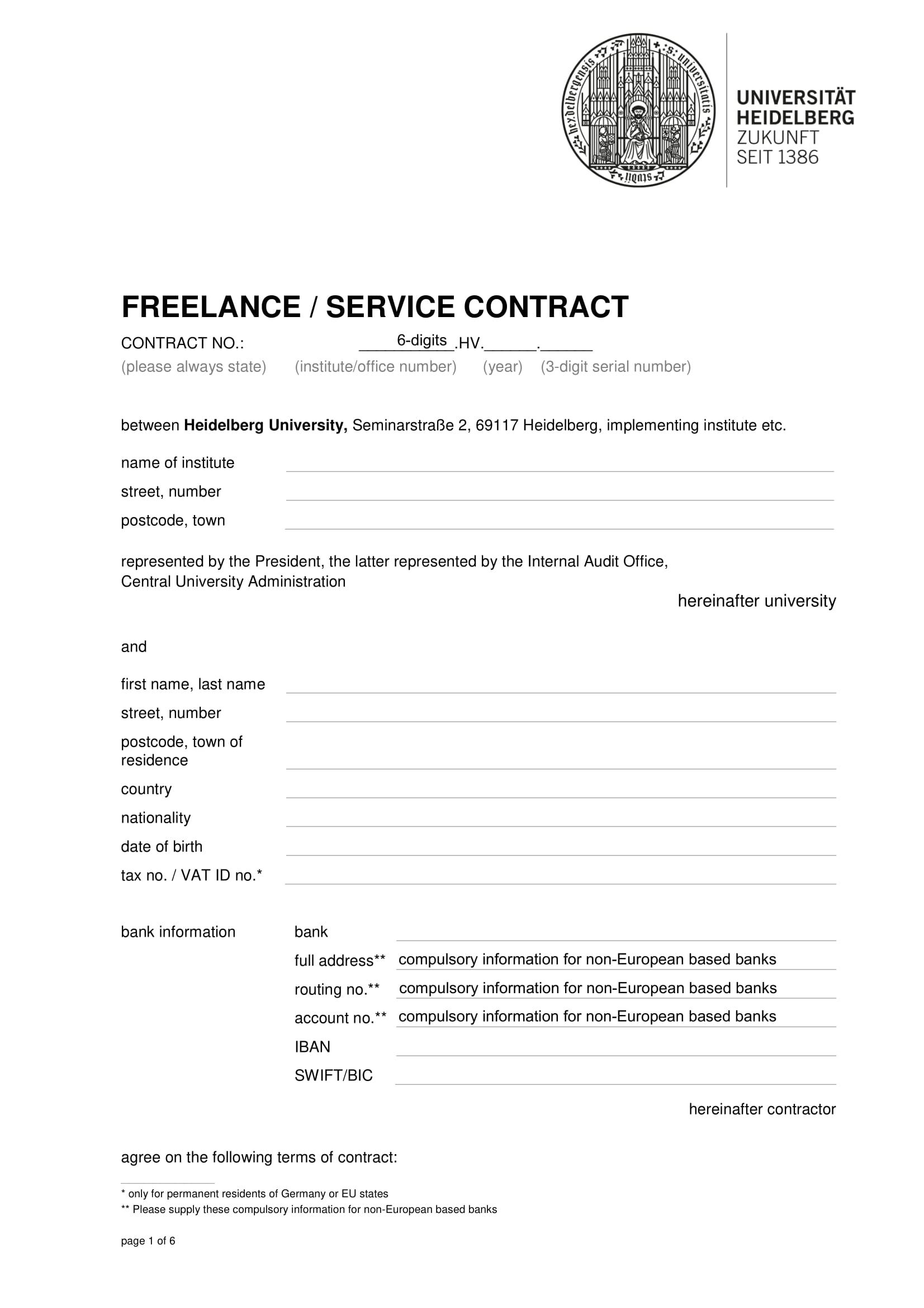
Liability and Insurance
Addressing liability is crucial, particularly when the trainer is providing training on complex or sensitive topics. The agreement should outline the trainer’s liability for any damages or losses incurred by the client as a result of the training. It’s important to define the scope of the trainer’s liability and any limitations on their responsibility. The agreement should also consider whether the trainer requires professional liability insurance. While the trainer is generally not responsible for the client’s actions, it’s prudent to include a clause that protects the trainer from claims arising from negligence or errors in the training. Freelance Trainer Agreement Template – addressing liability and insurance protects both parties and provides a safety net in case of unforeseen circumstances.
Governing Law and Dispute Resolution
Specifying the governing law and the method for resolving disputes are important considerations. The agreement should clearly state which jurisdiction’s laws will govern the interpretation and enforcement of the terms. It’s beneficial to include a clause specifying the preferred method for resolving disputes, such as mediation or arbitration. This can often be a more efficient and cost-effective way to resolve disagreements than going to court. Clearly outlining the dispute resolution process demonstrates a commitment to fairness and encourages amicable solutions. Freelance Trainer Agreement Template – establishing a clear governing law and dispute resolution mechanism promotes a smooth and predictable training process.

Confidentiality and Non-Disclosure
This section reinforces the importance of protecting client information. It should explicitly state that all training materials and client data are confidential and should not be disclosed to third parties without the client’s written consent. The trainer should commit to maintaining the confidentiality of all information shared during the training sessions. This is particularly important when dealing with sensitive information, such as financial data or strategic plans. Freelance Trainer Agreement Template – protecting confidentiality is a cornerstone of a successful and trustworthy training relationship.

Termination Clause
A comprehensive termination clause is essential. It should clearly outline the conditions under which either party can terminate the agreement, including the notice period required. The clause should also specify the consequences of termination, such as the return of any materials or equipment. It’s advisable to include a clause that allows for a mutually agreeable termination date, allowing both parties to move on to other opportunities. Freelance Trainer Agreement Template – a well-defined termination clause provides clarity and protects both parties’ interests.
Conclusion
Creating a robust Freelance Trainer Agreement Template is a critical step towards establishing a successful and sustainable training business. By carefully considering the key elements outlined in this article, trainers can protect their interests, foster positive relationships with their clients, and ensure a mutually beneficial partnership. Remember that this template is a starting point – it’s essential to tailor the agreement to the specific needs of each training project and client. Regular review and updates to the agreement are also recommended to ensure it remains relevant and effective. Investing the time and effort to create a solid agreement will undoubtedly pay dividends in the long run. Ultimately, a thoughtfully crafted agreement is an investment in the future of your freelance training business.
Conclusion
The freelance training landscape demands a proactive and well-defined approach. A comprehensive Freelance Trainer Agreement Template is not merely a legal document; it’s a strategic tool that safeguards the trainer’s interests, promotes client satisfaction, and establishes a foundation for a thriving business. By prioritizing clear communication, protecting intellectual property, and establishing a fair dispute resolution process, trainers can cultivate lasting relationships with their clients and achieve lasting success. The key takeaway is that a strong agreement is an investment in the future of your training endeavors.