
Are you struggling to get paid on time? Do you need a simple, effective way to manage invoices and collect payments? The Net 30 invoice template is a powerful tool for businesses of all sizes, offering a straightforward solution for streamlining your billing process and fostering stronger relationships with your clients. This guide will walk you through everything you need to know about creating and using a Net 30 invoice template, ensuring a smooth and professional experience for both you and your customers. Understanding the nuances of this template is crucial for maximizing its benefits and minimizing potential headaches. Let’s dive in.
Understanding the Net 30 Invoice Template
The Net 30 invoice template is a standard payment term that allows customers to pay their invoices within 30 days of receipt. This approach is widely recognized and generally preferred by businesses due to its balance between customer convenience and your business’s cash flow management. It’s a flexible solution that accommodates various payment methods, including credit cards, bank transfers, and online payments. The core principle is that the customer has 30 days to settle the invoice, providing a reasonable timeframe for businesses to manage their finances. It’s a cornerstone of modern business practices, promoting transparency and building trust. A well-designed Net 30 invoice template can significantly improve your cash flow and reduce the risk of late payments.

Key Components of a Net 30 Invoice Template
Creating a robust Net 30 invoice template involves several key components. Firstly, you’ll need a clear and concise invoice description outlining the services provided, the amount due, and any relevant details. Secondly, the invoice must clearly state the due date. Thirdly, you’ll need to include your business contact information, such as your name, address, phone number, and email address. Finally, a professional and easily accessible invoice template is essential. Many free and paid templates are available online, allowing you to choose the one that best suits your needs and budget. Remember to customize the template to reflect your brand and specific business requirements.

Benefits of Using a Net 30 Invoice Template
The adoption of a Net 30 invoice template offers a multitude of benefits. Firstly, it improves cash flow management. By extending the payment terms, businesses can free up capital and reduce the risk of liquidity issues. Secondly, it strengthens customer relationships. Offering Net 30 terms demonstrates a commitment to your clients’ financial well-being, fostering trust and loyalty. Thirdly, it simplifies billing processes. A standardized template streamlines the invoicing workflow, reducing errors and improving efficiency. Furthermore, it can attract new clients by signaling a professional and reliable business. Finally, it’s a universally recognized standard, making it easier to communicate with customers and partners.
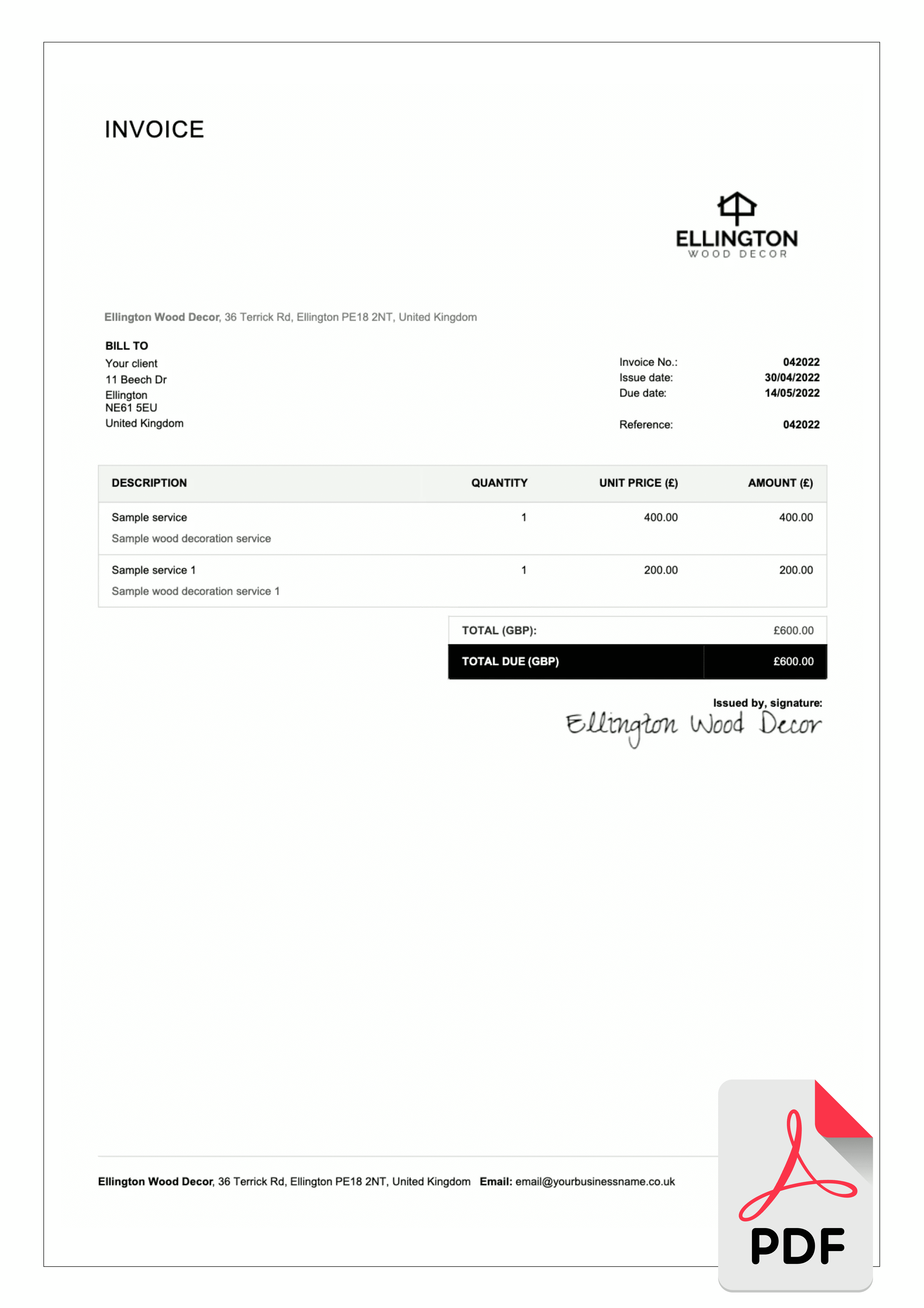
Template Design Considerations: Visual Appeal and Clarity
The visual design of your Net 30 invoice template is just as important as its functionality. A clean, professional layout is crucial for creating a positive impression. Use clear fonts, sufficient white space, and a consistent color scheme. Avoid overly complex graphics or distracting elements. The invoice should be easy to read and navigate, even at a glance. Consider incorporating a logo or branding elements to reinforce your brand identity. A well-designed template not only looks good but also enhances the user experience, encouraging clients to easily access and utilize the invoice. Pay attention to accessibility – ensure the template is usable by individuals with visual impairments.

Invoice Components: A Detailed Breakdown
Let’s examine the individual components of a comprehensive Net 30 invoice. The header section should prominently display your business name and contact information. Below this, clearly state the invoice number, invoice date, and due date. The body of the invoice should contain a detailed breakdown of the services provided, including specific descriptions, quantities, and prices. This section is critical for accurate billing and minimizing disputes. It’s important to include a breakdown of any additional charges, such as shipping costs or taxes. Finally, include a section for payment instructions, outlining accepted payment methods and any relevant policies.
Invoice Types and Variations
While the basic Net 30 invoice template remains consistent, there are variations to consider depending on your specific business needs. Consider offering different invoice types, such as standard invoices, credit notes, and partial payments. Credit notes allow you to provide additional services or discounts to clients, while partial payments can be beneficial for clients who are experiencing temporary financial difficulties. Some businesses may also offer tiered payment terms, allowing clients to pay a portion of the invoice within the first 30 days and the remaining balance within the following 30 days. Choosing the appropriate invoice type and payment terms will depend on your business model and client relationships.
Using Invoice Templates Effectively: Best Practices
Implementing a Net 30 invoice template effectively requires a strategic approach. Firstly, train your staff on proper usage and ensure they understand the template’s purpose and requirements. Secondly, regularly review and update your template to reflect changes in your business practices and industry standards. Thirdly, utilize invoicing software to automate the invoicing process and streamline workflows. Many popular options, such as QuickBooks, Xero, and FreshBooks, offer built-in Net 30 invoice templates. Finally, actively solicit feedback from your clients to identify areas for improvement and ensure your template remains relevant and valuable.
The Role of Automation in Net 30 Invoice Management
The rise of automation is transforming the way businesses manage invoices. Accounting software, particularly those integrated with invoicing platforms, can automate many of the tedious tasks associated with creating and sending invoices. Automated reminders for overdue payments, automated payment processing, and automated report generation can significantly improve efficiency and reduce the risk of late payments. Furthermore, AI-powered tools are increasingly being used to analyze invoice data and identify potential issues, such as overdue invoices or discrepancies in billing. Embracing automation is essential for maintaining a competitive edge and optimizing your financial operations.
Legal Considerations and Compliance
It’s crucial to ensure your Net 30 invoice template complies with all relevant legal and regulatory requirements. This includes adhering to data privacy regulations, such as GDPR, and ensuring your invoices accurately reflect the services provided. Clearly state your business’s contact information and terms and conditions. Consult with a legal professional to ensure your template is compliant with all applicable laws and regulations. Proper documentation and record-keeping are also essential for protecting your business from potential legal disputes.
Conclusion: Net 30 Invoice Templates – A Valuable Asset
In conclusion, the Net 30 invoice template is a powerful and versatile tool for businesses seeking to streamline their billing processes, improve cash flow, and build stronger relationships with their clients. By understanding the key components, benefits, and best practices associated with this template, you can ensure its effective utilization and maximize its value. Investing in a well-designed and properly implemented Net 30 invoice template is a strategic move that can significantly contribute to the long-term success of your business. Remember to continually adapt and refine your template to meet the evolving needs of your clients and your business. Don’t underestimate the power of a thoughtfully crafted invoice – it’s a fundamental element of professional business communication.