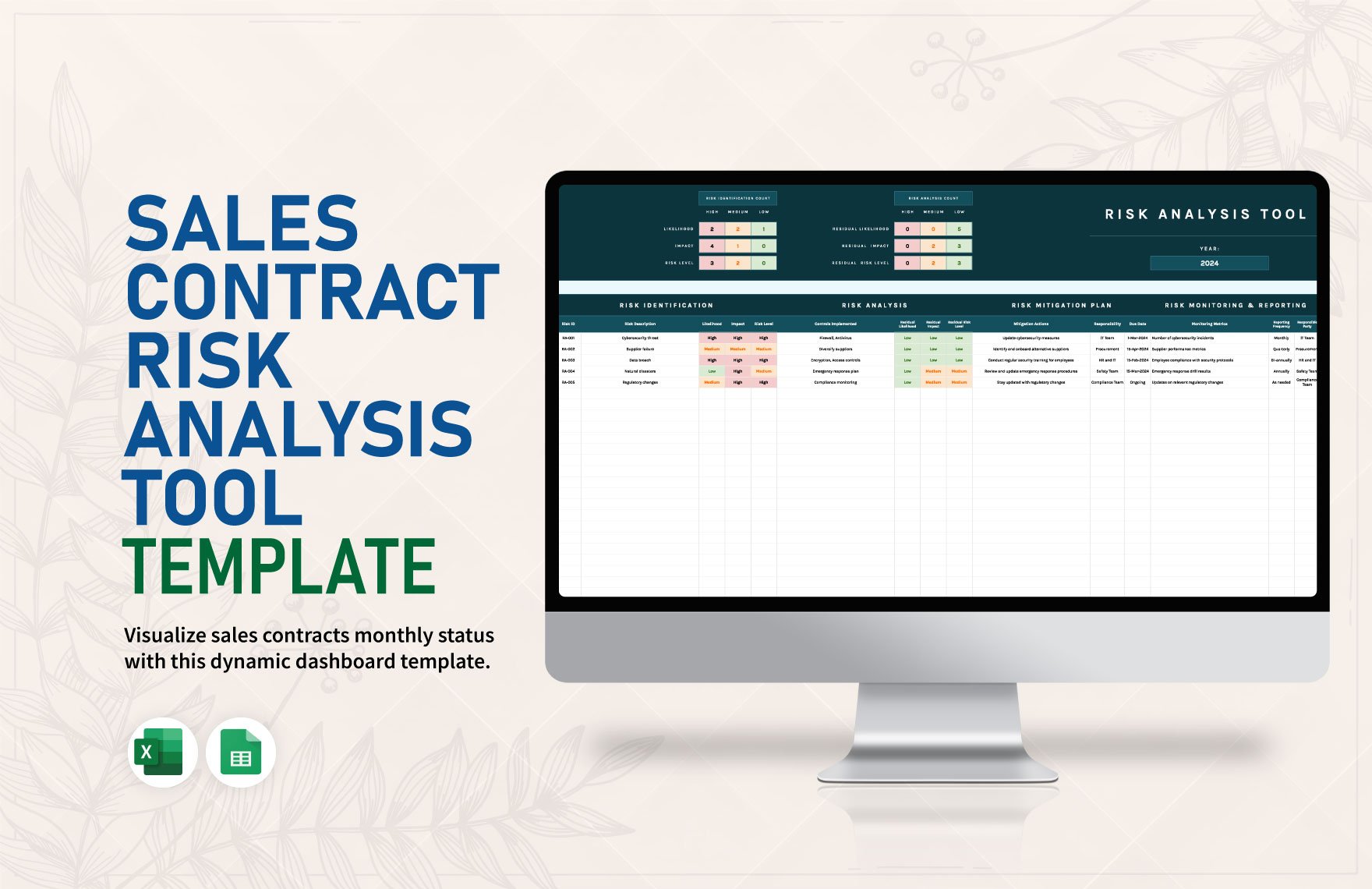
Negotiated Risk Agreement Template – A Comprehensive Guide
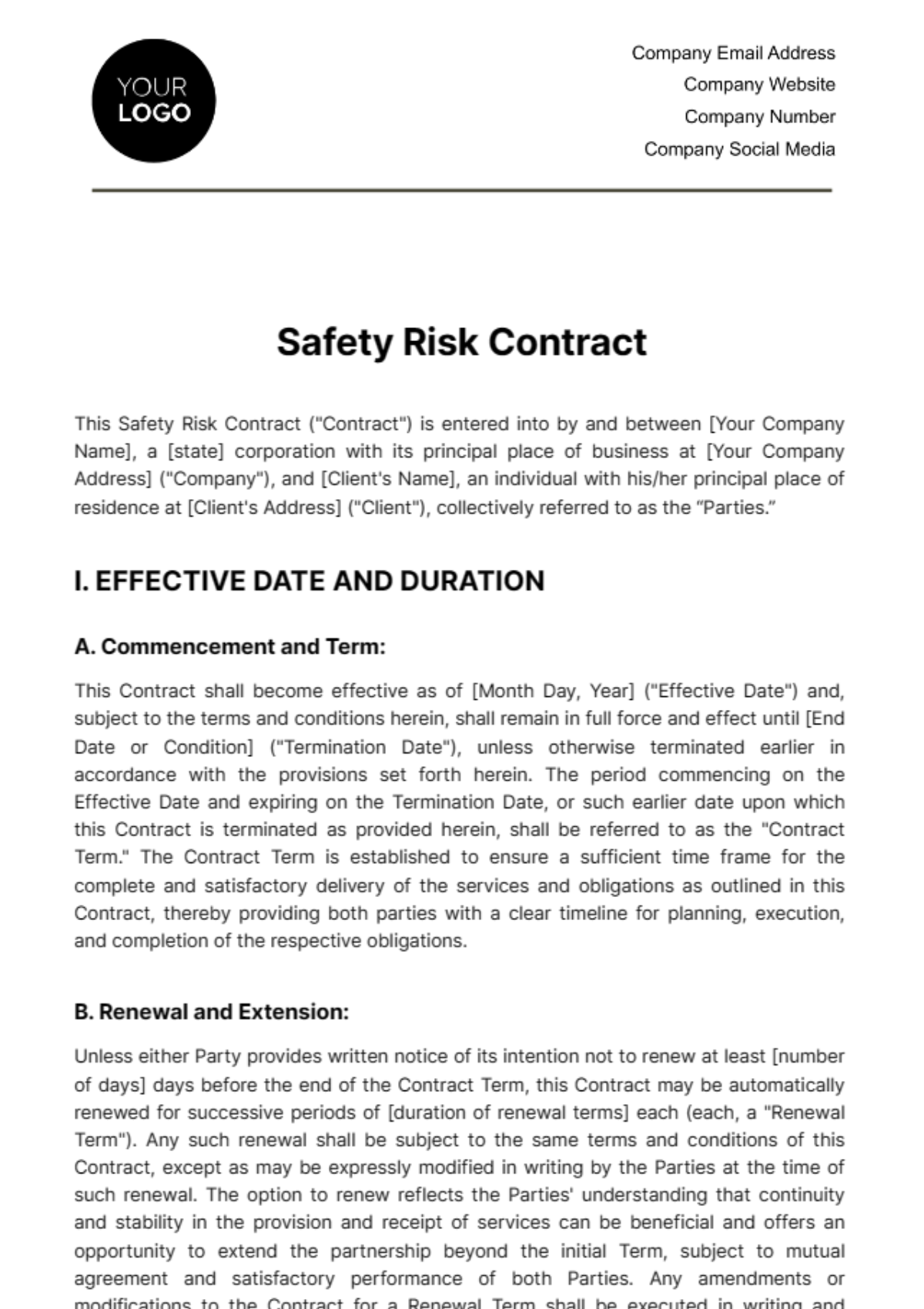
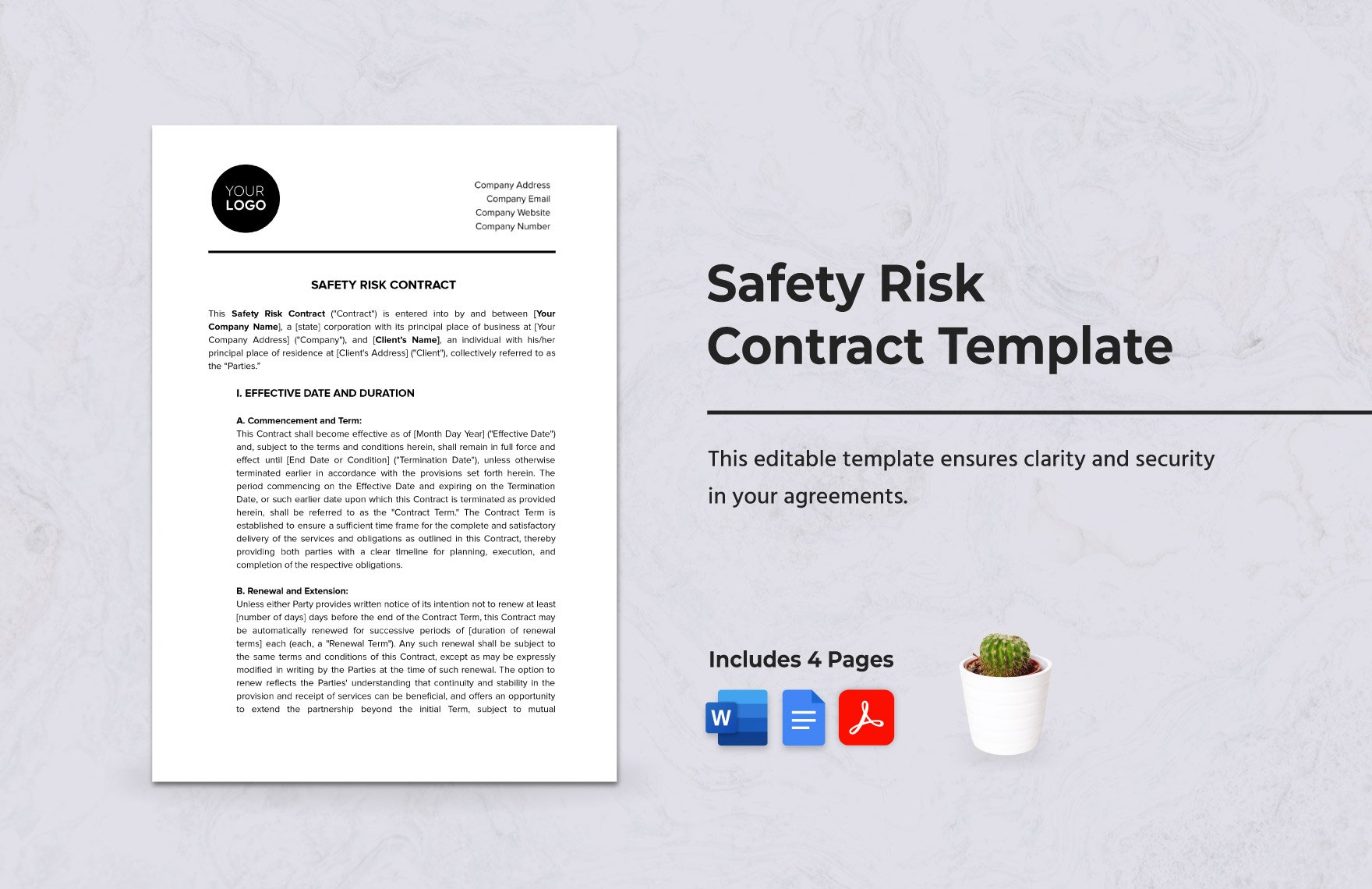
The modern business landscape is characterized by increasing volatility and unpredictable events. Organizations are facing a growing number of risks, ranging from natural disasters and cyberattacks to supply chain disruptions and regulatory changes. Effectively managing these risks is no longer a matter of simply avoiding problems; it’s about proactively identifying, assessing, and mitigating potential threats. A crucial element in this process is the creation and implementation of a robust risk management framework. At the heart of this framework lies a meticulously crafted Risk Agreement Template. This document provides a standardized structure for outlining and documenting risk exposures, fostering transparency, and establishing clear lines of responsibility. This template is designed to streamline the negotiation process, ensuring all parties understand their obligations and potential liabilities. It’s more than just a formality; it’s a vital tool for protecting your organization’s assets and achieving its strategic goals. This article will delve into the key components of a successful Negotiated Risk Agreement Template, providing practical guidance and best practices for its effective use. Understanding the nuances of this template is essential for businesses of all sizes seeking to build resilience and safeguard their future. Let’s explore how to create a template that truly works for your organization.
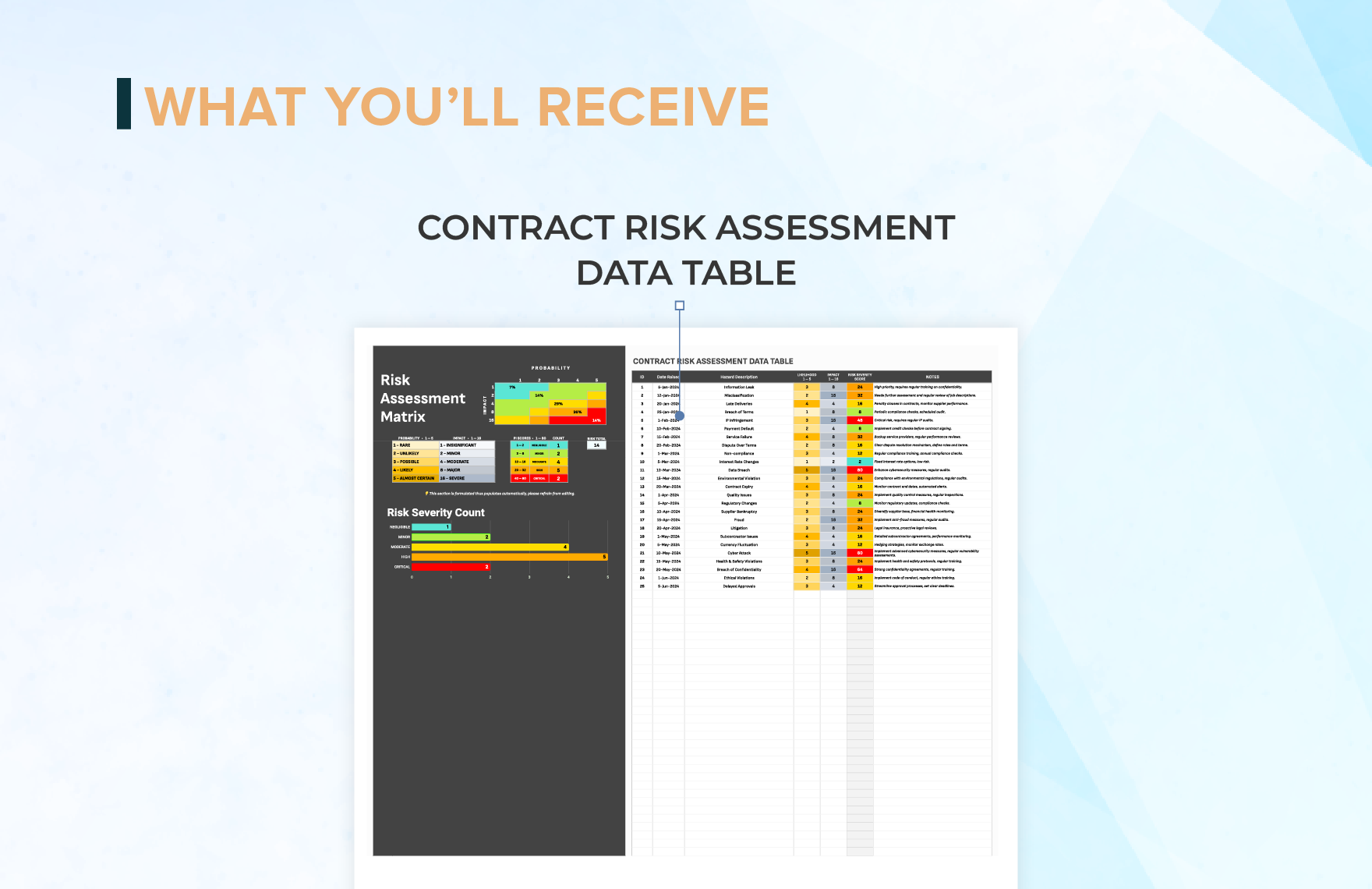
The importance of a well-defined Risk Agreement Template cannot be overstated. It’s the foundation upon which a comprehensive risk management strategy is built. Without a clear and documented agreement, organizations risk operating with a lack of visibility into potential vulnerabilities, hindering their ability to respond effectively to unforeseen events. A template ensures that all stakeholders – executives, legal counsel, operations teams, and even key suppliers – are aligned on the risks being addressed and the actions to be taken. It promotes accountability and facilitates informed decision-making. Furthermore, it provides a valuable record of the risk assessment process, which can be used for future reference and improvement. The template’s flexibility allows for customization to suit specific industry needs and organizational structures. It’s not a one-size-fits-all solution, but rather a starting point for a tailored approach. The initial investment in creating a robust template is an investment in long-term protection and organizational success.
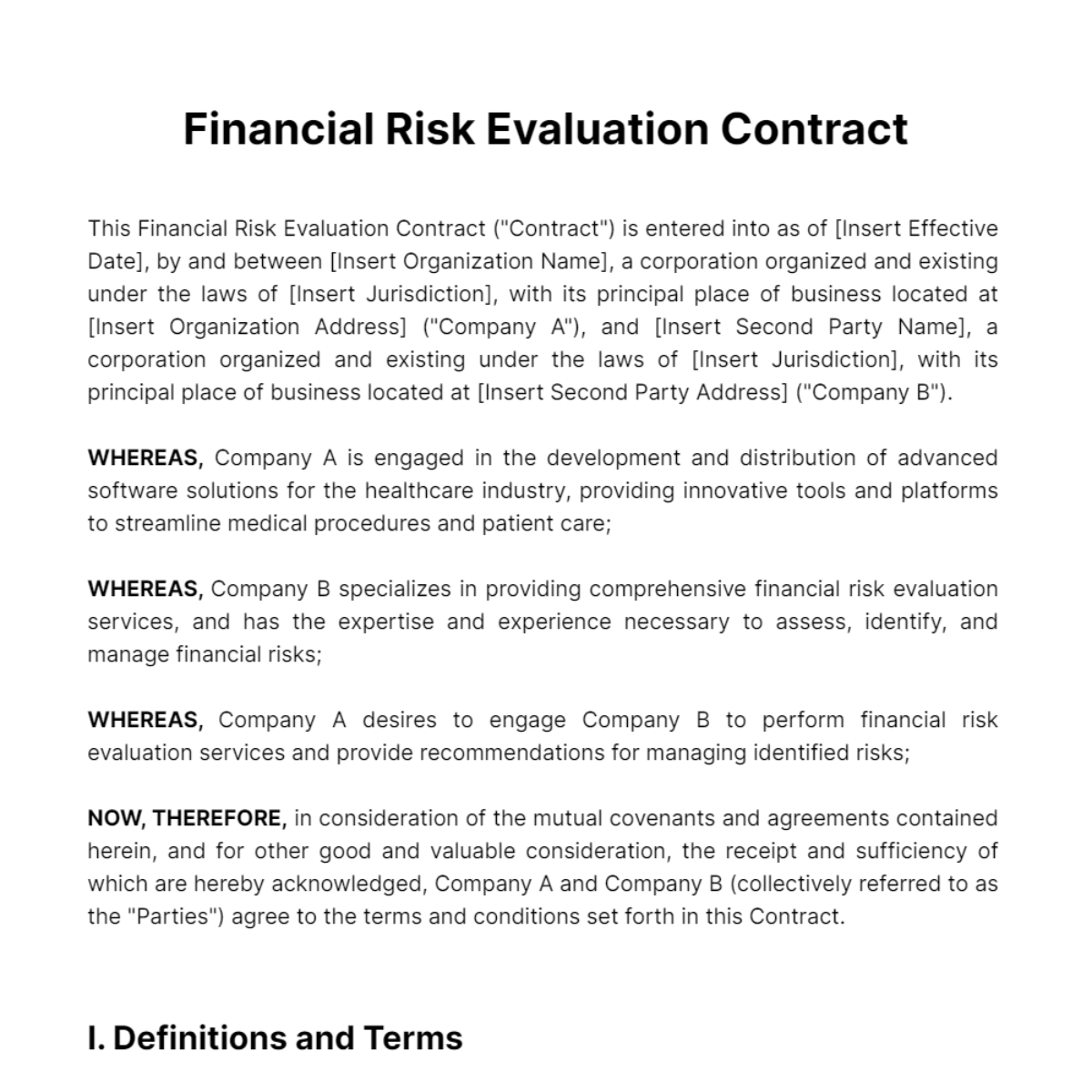
Section 1: Core Components of a Negotiated Risk Agreement Template
A comprehensive Negotiated Risk Agreement Template typically includes the following key sections:
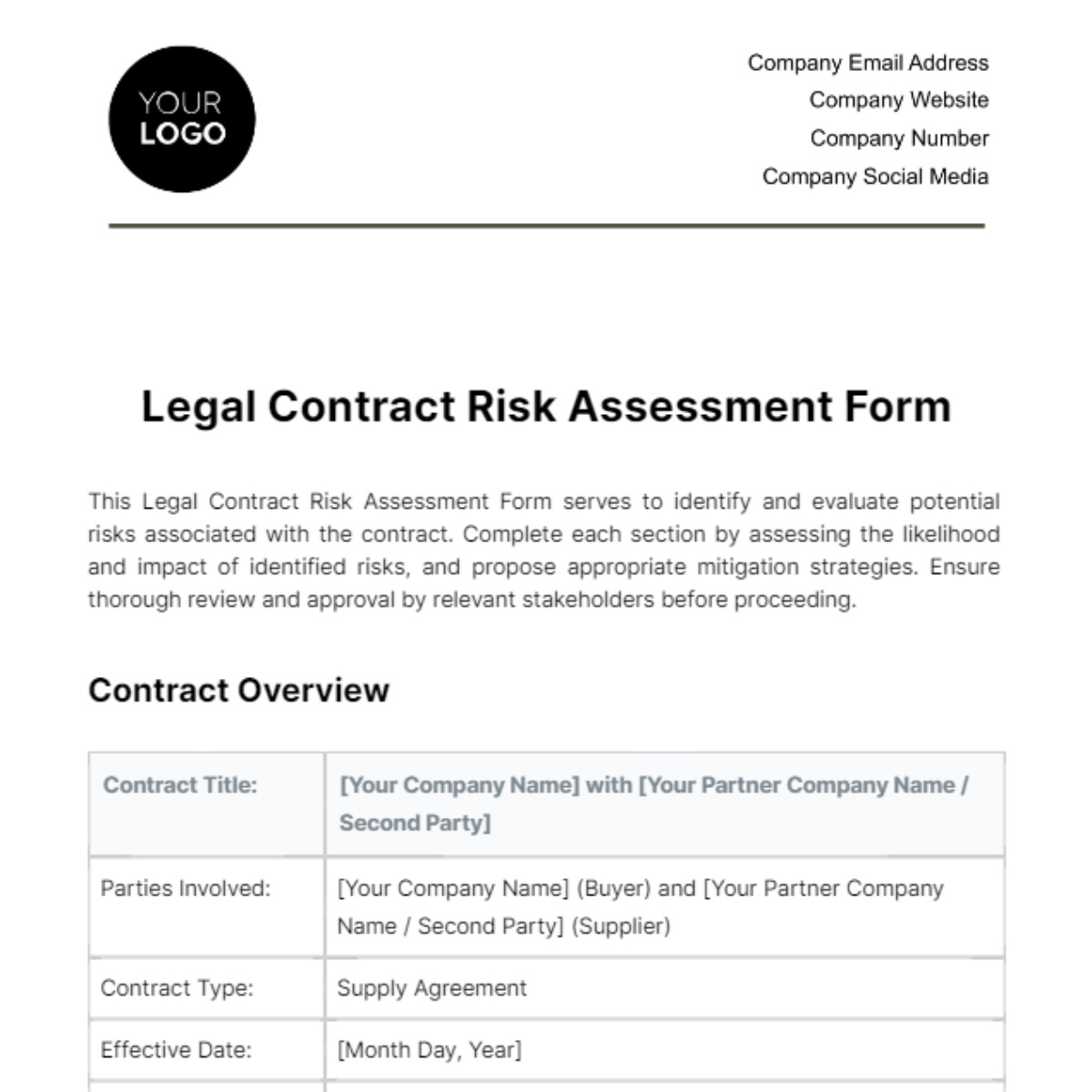
1.1. Identification of Risks
This section outlines the specific risks the agreement addresses. It’s crucial to be as detailed as possible, identifying not just the type of risk, but also the likelihood and potential impact of each. Clearly defining the scope of the agreement is paramount. Consider using a risk matrix to visually represent the severity of each risk. For example, a “High Impact, High Likelihood” risk might require immediate attention and a more robust mitigation strategy. This section should include a preliminary list of risks, potentially with initial risk scores.
1.2. Risk Assessment & Mitigation
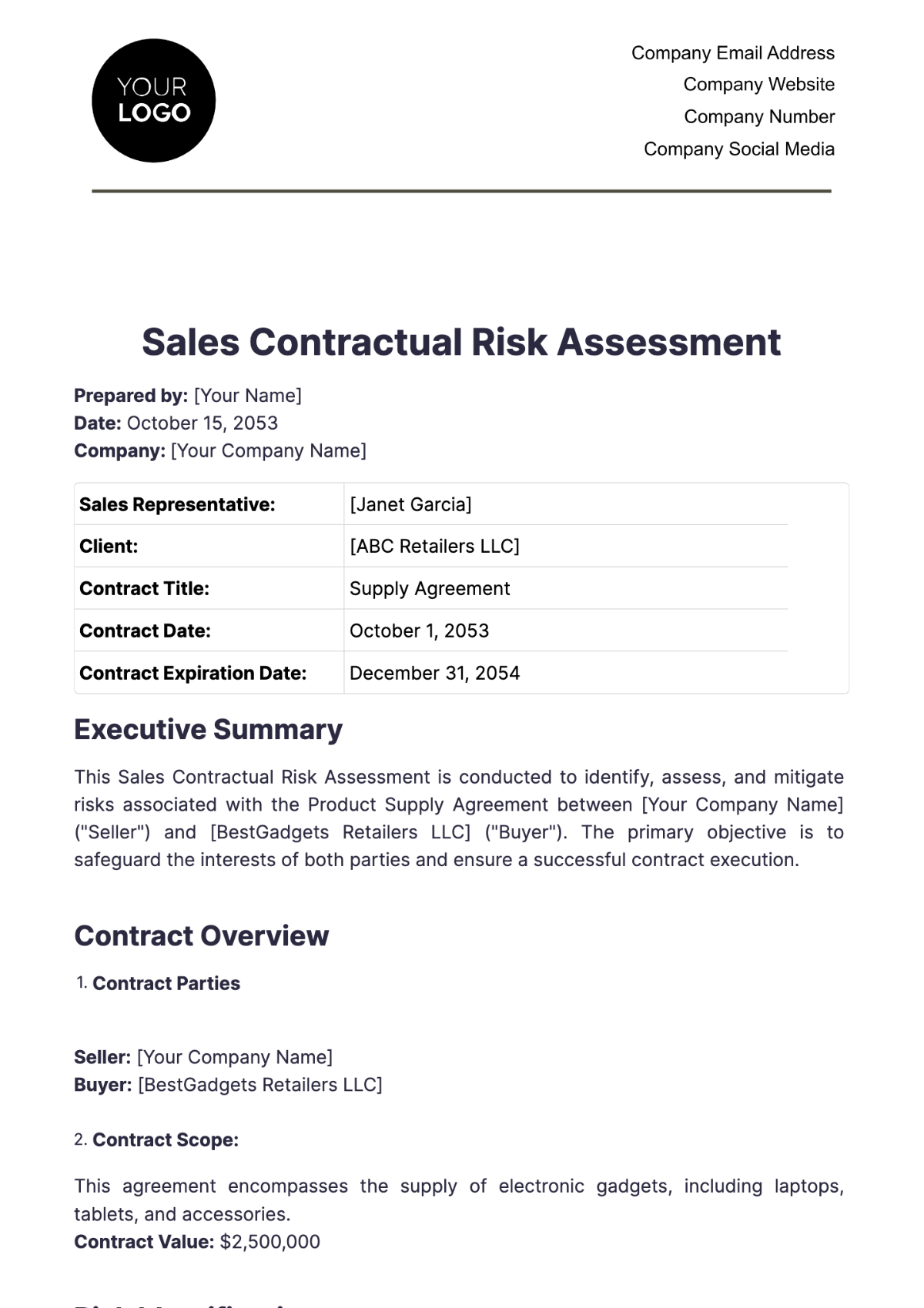
This section details the assessment process used to identify and evaluate risks. It should include methodologies like SWOT analysis, risk registers, or other established frameworks. It’s vital to document the rationale behind each risk assessment, demonstrating a systematic and objective approach. Furthermore, this section should outline the proposed mitigation strategies for each identified risk. These strategies can range from preventative measures (e.g., implementing security protocols) to contingency plans (e.g., developing a disaster recovery plan). Clearly stating the assigned responsibility for implementing each mitigation strategy is also critical.
1.3. Liability and Indemnification
This section clarifies who is responsible for what in the event of a risk event. It’s essential to define liability limitations, specifying which party is responsible for covering losses or damages. This might include indemnification clauses, where one party agrees to protect another from financial liability arising from the agreement. The level of indemnification should be commensurate with the potential risk. A well-defined liability clause is a cornerstone of a successful risk agreement.
1.4. Notification and Reporting
This section establishes procedures for notifying relevant parties of potential risks and for reporting on the status of risk mitigation efforts. It should specify the frequency and format of reporting, ensuring timely and accurate information. Clearly define the roles and responsibilities for reporting, including who is responsible for gathering data, analyzing the information, and communicating it to the appropriate parties.
Section 2: Negotiation Strategies & Clauses
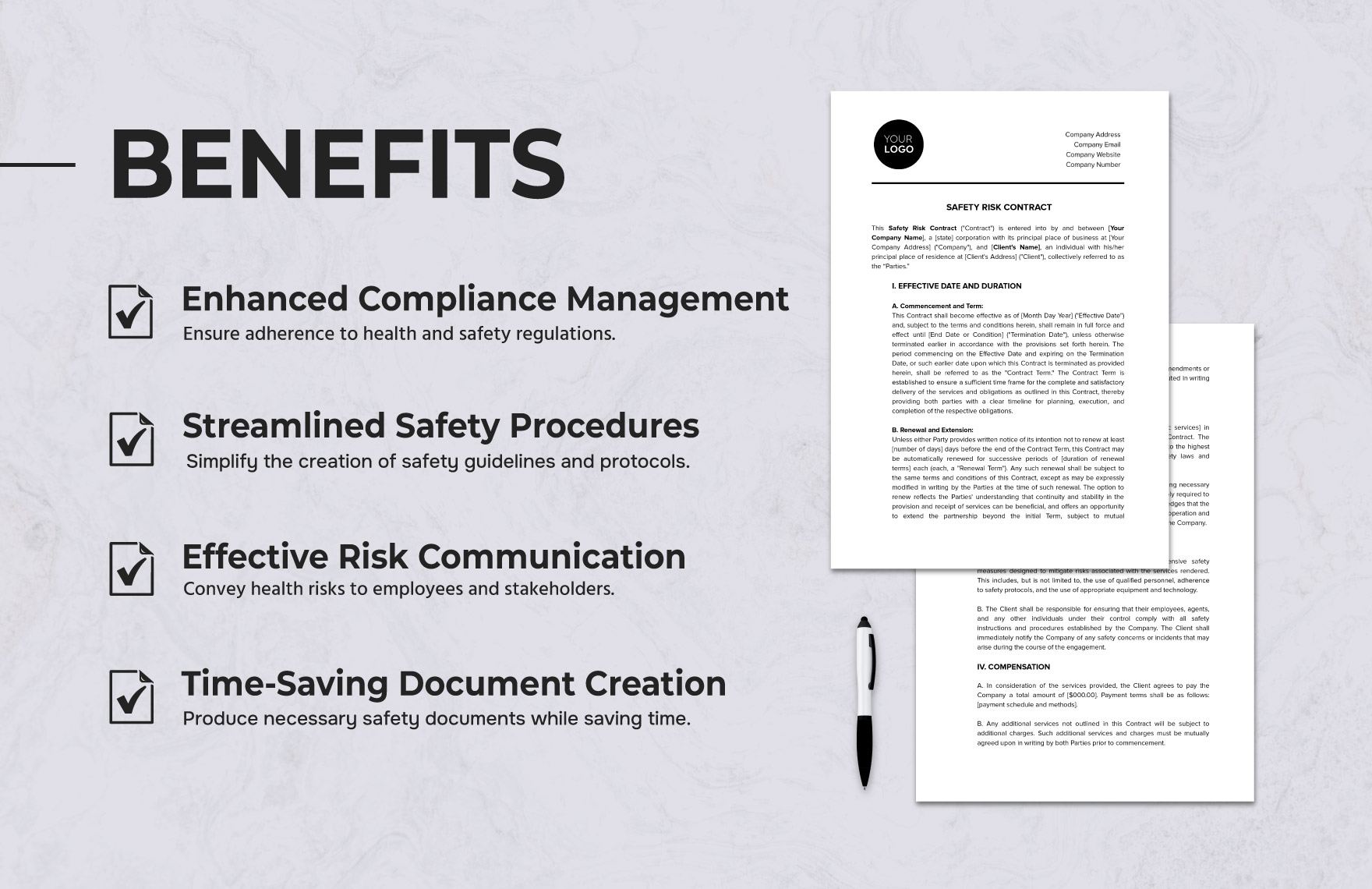
The Negotiated Risk Agreement Template is not a static document; it’s a negotiation tool. Effective negotiation is essential to ensure that all parties are satisfied with the terms of the agreement. Here are some key negotiation strategies to consider:
2.1. Scope of Coverage
The initial scope of the agreement should be clearly defined, outlining which risks are covered and which are excluded. It’s often beneficial to start with a broad scope and then refine it as the negotiation progresses. Clearly articulate any exclusions and the rationale behind them.
2.2. Payment Terms
This section addresses how payments will be structured and managed. It should specify the payment schedule, the amount of each payment, and the method of payment. Consider incorporating clauses related to potential penalties for late payments or non-payment.
2.3. Termination Clause
A clear termination clause is crucial. It should specify the conditions under which the agreement can be terminated, and outline the consequences of termination. Consider including provisions for notice periods and the return of any assets.
2.4. Dispute Resolution
This section outlines the process for resolving disputes that may arise during the term of the agreement. It might specify mediation, arbitration, or litigation. Choosing a dispute resolution mechanism that is fair and efficient is important.
2.5. Governing Law and Jurisdiction
Specify the governing law and jurisdiction for the interpretation and enforcement of the agreement. This helps to clarify which legal system will be used in the event of a dispute.
Section 3: Best Practices for Implementation
Successful implementation of a Negotiated Risk Agreement Template requires careful planning and execution. Here are some best practices:
3.1. Stakeholder Engagement
Engage all relevant stakeholders early in the process. Solicit input from legal counsel, operations teams, and other key personnel. This will help to ensure that the agreement is comprehensive and addresses the specific needs of the organization.
3.2. Clear Communication
Maintain open and transparent communication throughout the negotiation process. Clearly communicate the terms of the agreement to all parties and address any questions or concerns promptly.
3.3. Documentation
Thoroughly document all aspects of the negotiation process, including discussions, agreements, and revisions. Maintain a record of all communications and decisions.
3.4. Legal Review
Have the agreement reviewed by legal counsel to ensure that it is legally sound and protects the organization’s interests.
Conclusion
A meticulously crafted Negotiated Risk Agreement Template is an indispensable tool for organizations seeking to proactively manage risks and protect their assets. By establishing a clear and comprehensive framework for risk identification, assessment, mitigation, and reporting, organizations can build resilience and achieve their strategic goals. The template provides a foundation for informed decision-making, promotes accountability, and facilitates effective risk management. Remember that this is a dynamic document, requiring ongoing review and adaptation to reflect evolving business conditions and emerging risks. Investing in a well-designed template is an investment in the long-term success of your organization. Ultimately, a robust Risk Agreement Template empowers you to navigate uncertainty with confidence and minimize potential disruptions.