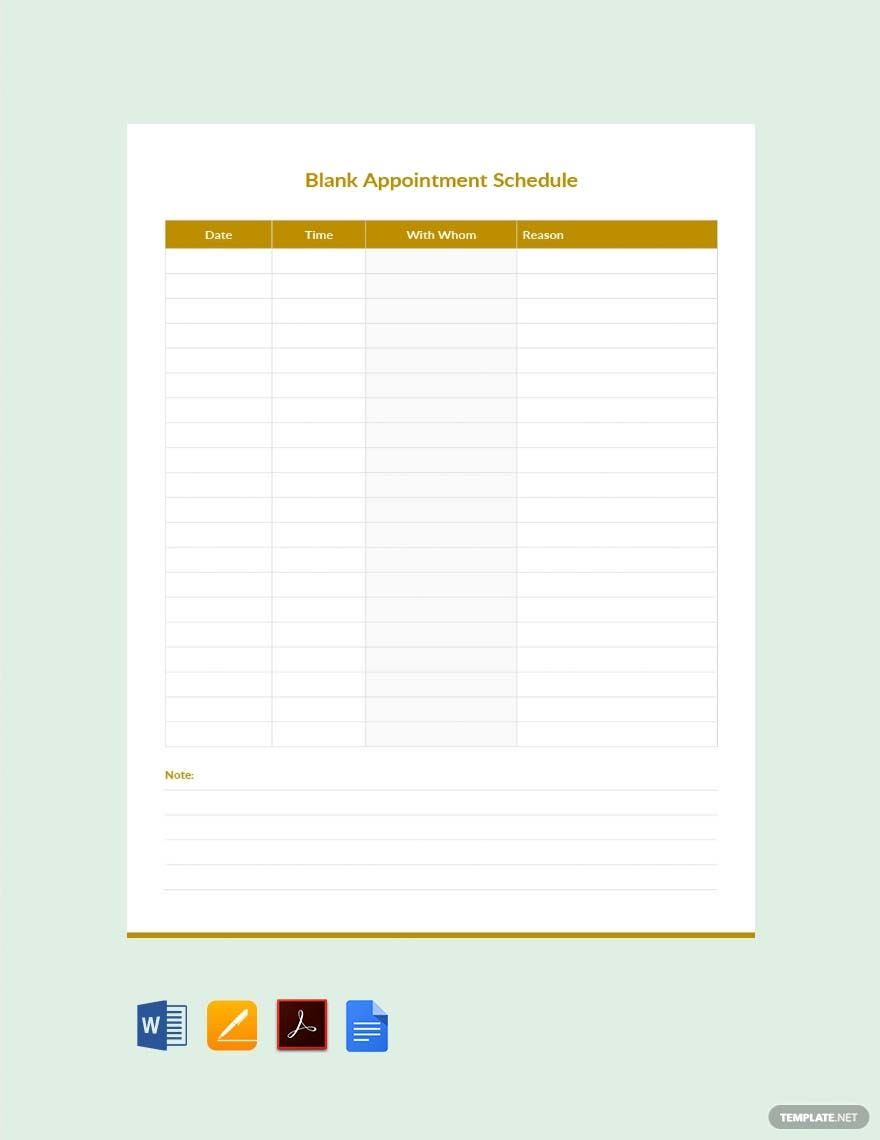
Are you struggling to keep track of your appointments? Do you need a simple, reliable way to manage your schedule and ensure you never miss a meeting? If so, you’ve come to the right place. This comprehensive guide will explore the world of appointment sheet templates, focusing specifically on the Appointment Sheet Template Word – a versatile tool that can streamline your workflow and boost your productivity. We’ll delve into different types of templates, their features, and how to choose the best one for your needs. Understanding the importance of a well-structured appointment schedule is crucial for both personal and professional success. Let’s begin!
The Importance of Appointment Scheduling
Effective scheduling is the cornerstone of a successful business or personal life. It allows you to prioritize tasks, manage time efficiently, and maintain a consistent routine. A disorganized schedule can lead to missed appointments, rushed deadlines, and increased stress. A dedicated appointment sheet, like the Appointment Sheet Template Word, provides a clear and organized way to record and track all your commitments. It’s more than just a list; it’s a tool for proactive management and improved organization. Without a system, it’s easy to lose track of appointments, leading to confusion and potential problems. Investing time in creating a robust scheduling system is an investment in your time and overall well-being.
Types of Appointment Sheet Templates
There’s a wide variety of appointment sheet templates available, each with its own strengths and weaknesses. Choosing the right one depends on your specific requirements and workflow. Here are a few popular options:
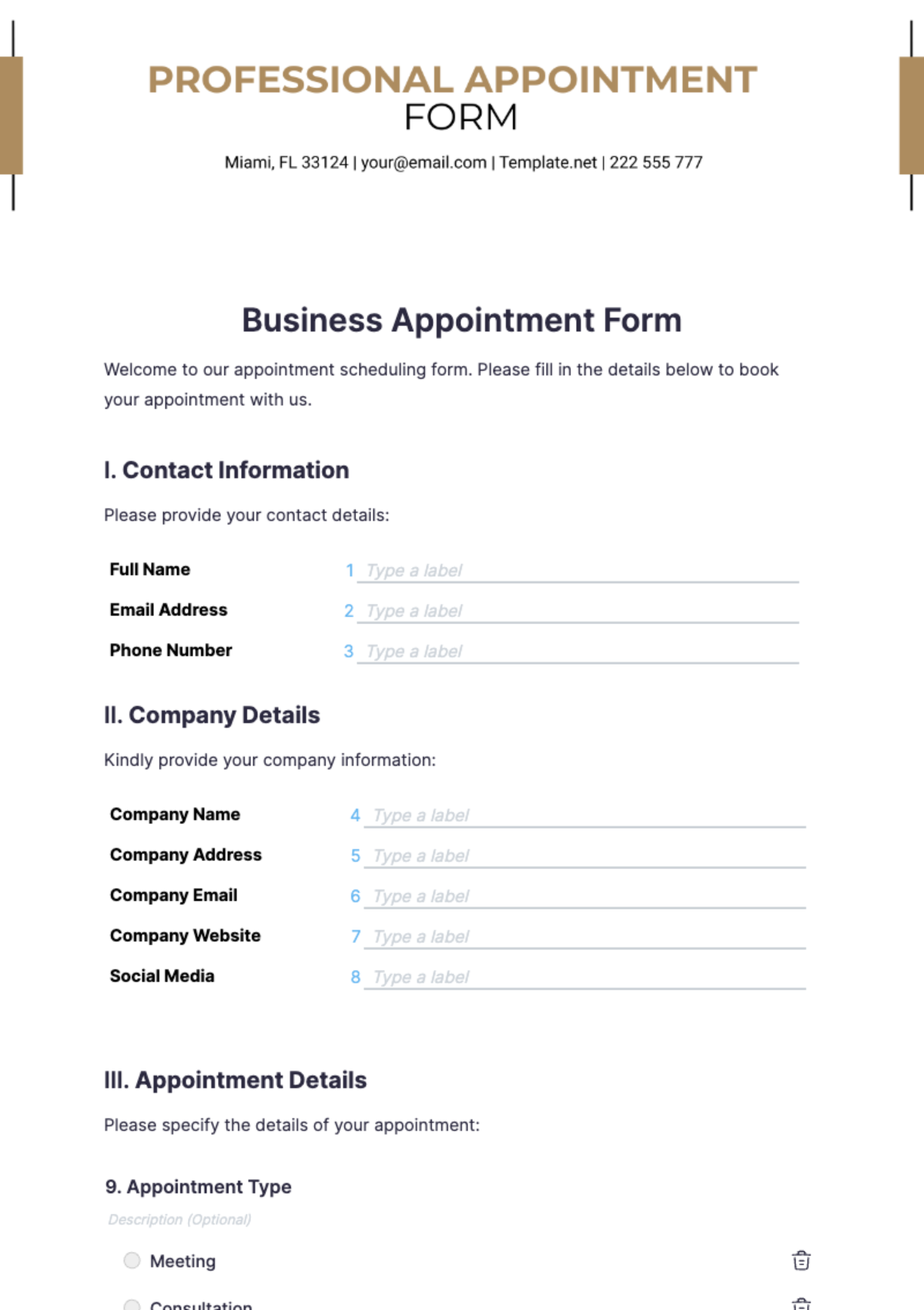
- Digital Appointment Sheets: These are typically created using software like Google Sheets, Microsoft Excel, or dedicated appointment scheduling apps. They offer the advantage of being easily accessible on multiple devices and often include features like reminders, automated scheduling, and integration with calendars. They are generally the most flexible and adaptable.
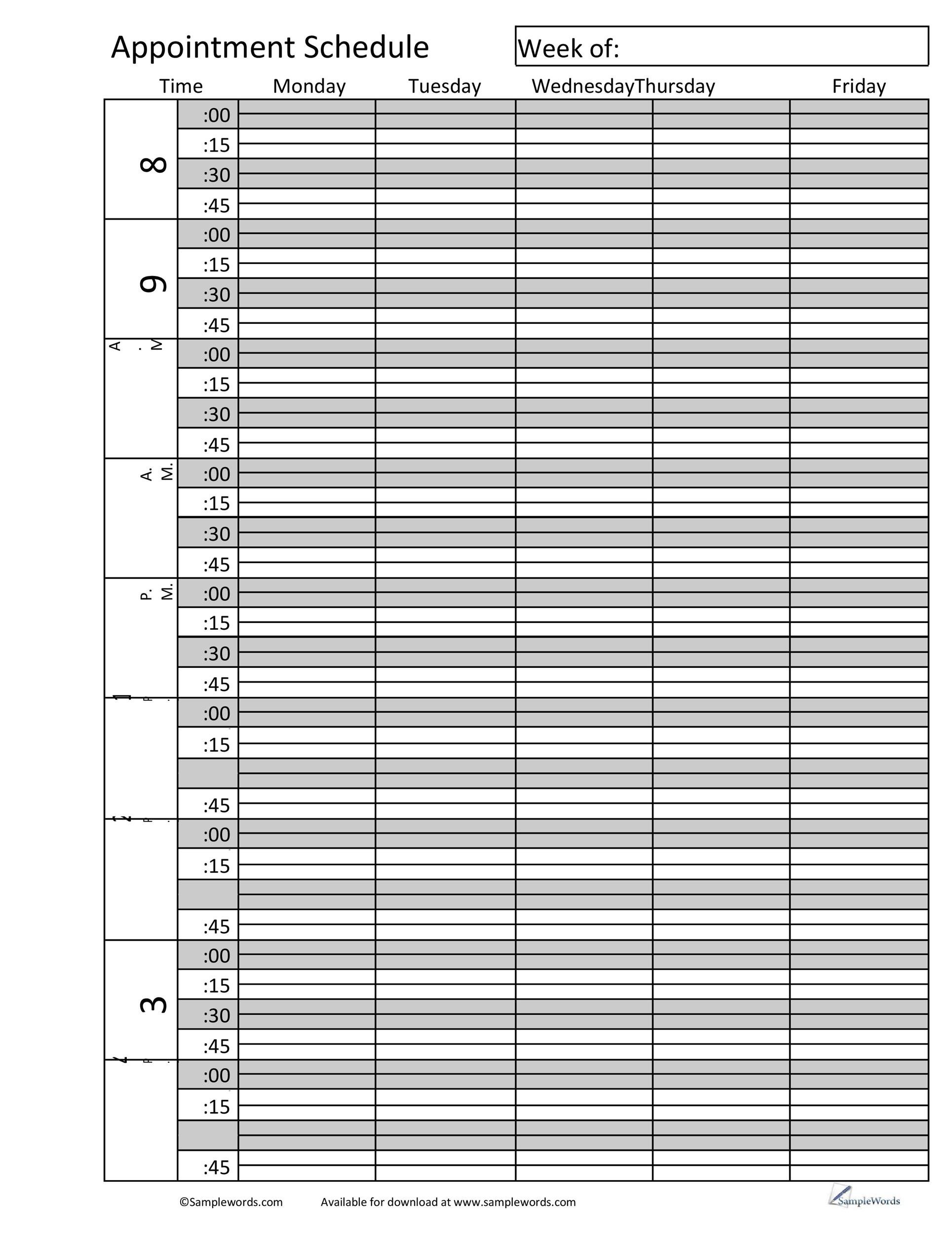
- Paper-Based Appointment Sheets: These are classic, traditional templates that can be printed and used in a notebook or binder. They are a more tactile experience and can be particularly useful for those who prefer a physical record. They are often simpler to manage than digital options.
- Hybrid Approaches: Some templates combine elements of both digital and paper-based systems. For example, a digital sheet might include a printable version for easy reference.
Key Features to Look For in an Appointment Sheet Template
When selecting an appointment sheet template, consider these key features:
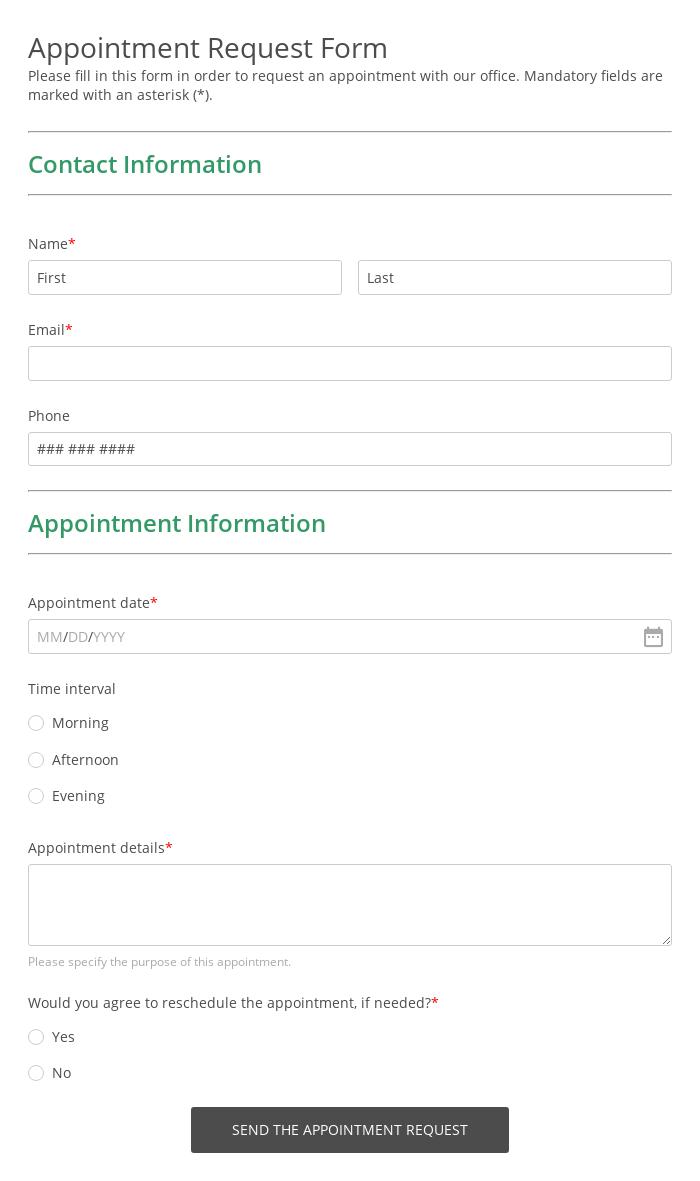
- Easy Data Entry: The template should allow for quick and easy input of appointment details – date, time, location, attendees, and notes.
- Calendar Integration: Seamless integration with your existing calendar (Google Calendar, Outlook, etc.) is essential for automatic scheduling and reminders.
- Reminders & Notifications: The ability to set reminders is critical to avoid missed appointments. Customizable notification options (email, SMS, push notifications) are a significant benefit.
- Customization Options: The ability to tailor the template to your specific needs – adding sections for specific types of appointments (e.g., doctor’s appointments, client meetings), or adding custom fields – is highly valuable.
- Reporting & Analytics: Some templates offer basic reporting features, allowing you to track your appointment frequency and identify potential trends.
- Mobile Accessibility: A mobile-friendly design ensures you can access and update your schedule on the go.
The “Appointment Sheet Template Word” – A Powerful Tool
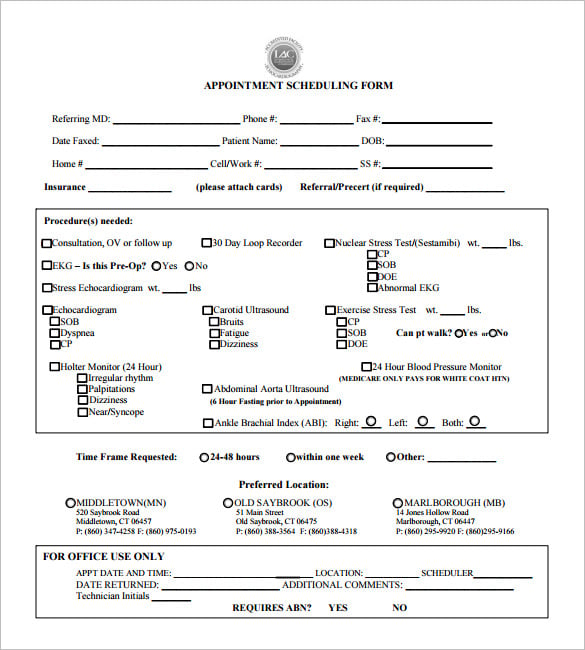
Let’s focus specifically on the Appointment Sheet Template Word – a widely used and highly adaptable option. This template is readily available online and is often modified to suit individual needs. It’s a fantastic starting point for anyone looking to create a simple and effective appointment management system. The simplicity of the format allows for quick customization and easy integration with various tools. Many free templates are available, and paid versions offer enhanced features and support.
Utilizing the “Appointment Sheet Template Word” Effectively
Once you’ve chosen a template, effective utilization is key. Here are some tips:
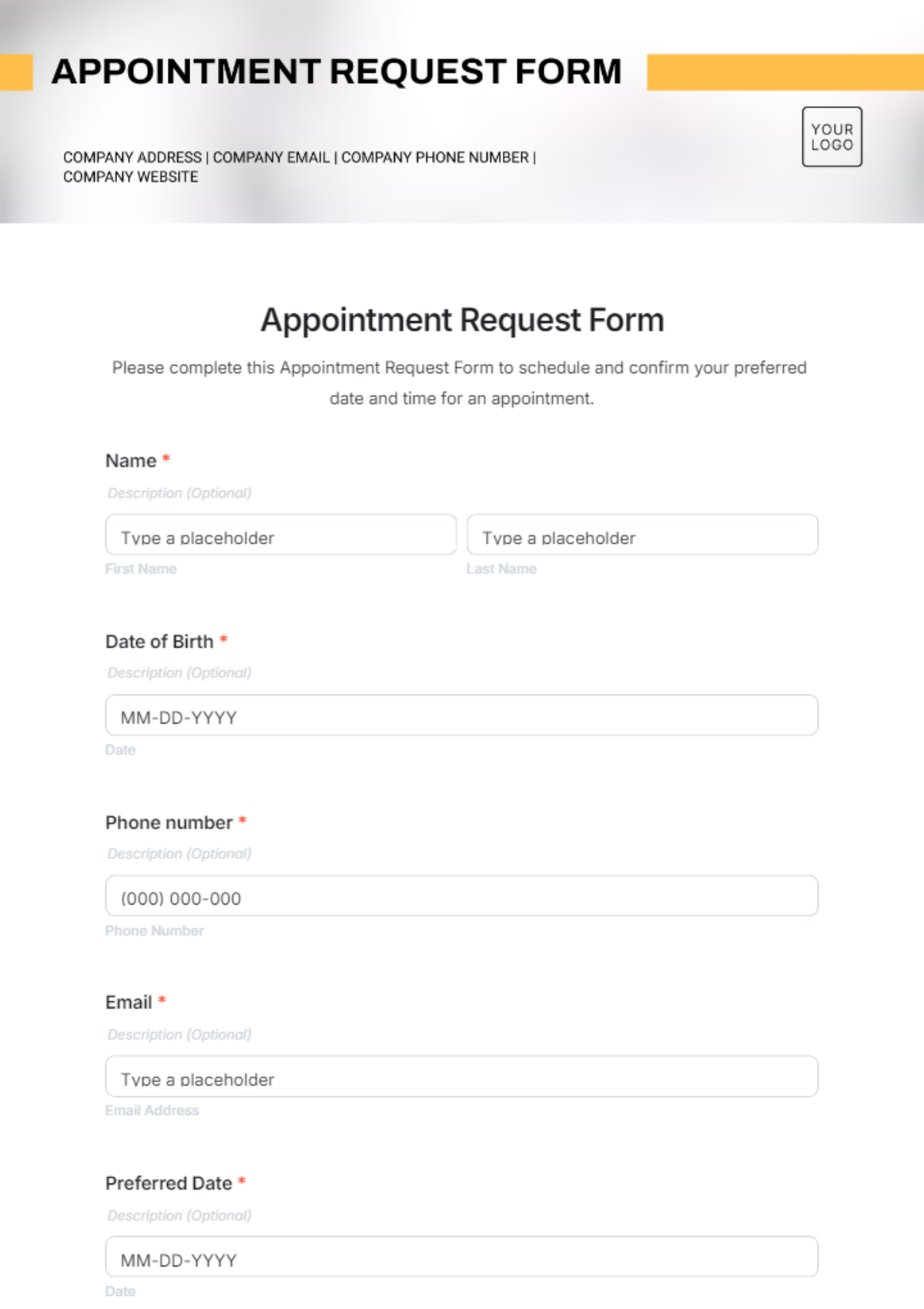
- Start with a Clear Structure: Don’t try to cram everything into one sheet. Break down your appointments into logical categories (e.g., Work, Personal, Appointments).
- Be Consistent: Use the same format for all appointments to maintain a consistent record.
- Add Detailed Notes: Don’t just write the date and time. Include a brief description of the appointment, attendees, and any relevant information.
- Regularly Review and Update: Make it a habit to review your appointment sheet at the end of each day or week to ensure everything is up-to-date.
- Utilize Reminders: Set reminders well in advance of appointments to minimize the risk of missing them.
Beyond the Basics: Advanced Features
While the basic appointment sheet template provides a solid foundation, there are advanced features that can significantly enhance its functionality. Consider these options:
- Recurring Appointments: Automatically create appointments that repeat on a regular basis (e.g., weekly meetings, monthly check-ups).
- Color-Coding: Use color-coding to categorize appointments by type or priority.
- Integration with Calendar Apps: Sync your appointment sheet with Google Calendar, Outlook, or other calendar platforms for seamless scheduling.
- Automated Reminders: Set up automated reminders via email or SMS to ensure you never miss an appointment.
- Task Management Integration: Link appointments to tasks in your task management system to track progress and ensure accountability.
Choosing the Right Template for Your Workflow
The best appointment sheet template is the one that best suits your individual needs and workflow. Consider the following factors:
- Number of Appointments: For a small number of appointments, a simple paper-based template may be sufficient. For a larger number, a digital template with advanced features is recommended.
- Complexity of Your Schedule: If you have a complex schedule with many different types of appointments, a hybrid approach may be the best option.
- Technical Skills: If you’re not comfortable with technology, a digital template with easy-to-use features is a good choice.
- Budget: Free templates are available, but paid versions often offer more features and support.
Conclusion: The Power of Organization
Creating a well-organized appointment sheet is an investment in your time, productivity, and overall well-being. By understanding the different types of templates available, implementing effective scheduling practices, and utilizing the features of a suitable template, you can significantly improve your ability to manage your commitments and achieve your goals. Remember, a proactive approach to scheduling is the key to staying organized and on top of your game. The Appointment Sheet Template Word is a powerful tool to help you achieve this. Don’t underestimate the benefits of a structured and efficient system – it’s a valuable asset for anyone striving for success. Investing in a reliable appointment scheduling system is an investment in yourself.
Resources for Further Learning
- Google Sheets Appointment Scheduling: https://www.google.com/sheets/d/
- Microsoft Excel Appointment Scheduling: https://www.microsoft.com/en-us/excel/schedule-appointments
- Various free appointment scheduling templates: Search online for “free appointment scheduling templates” – you’ll find numerous options.