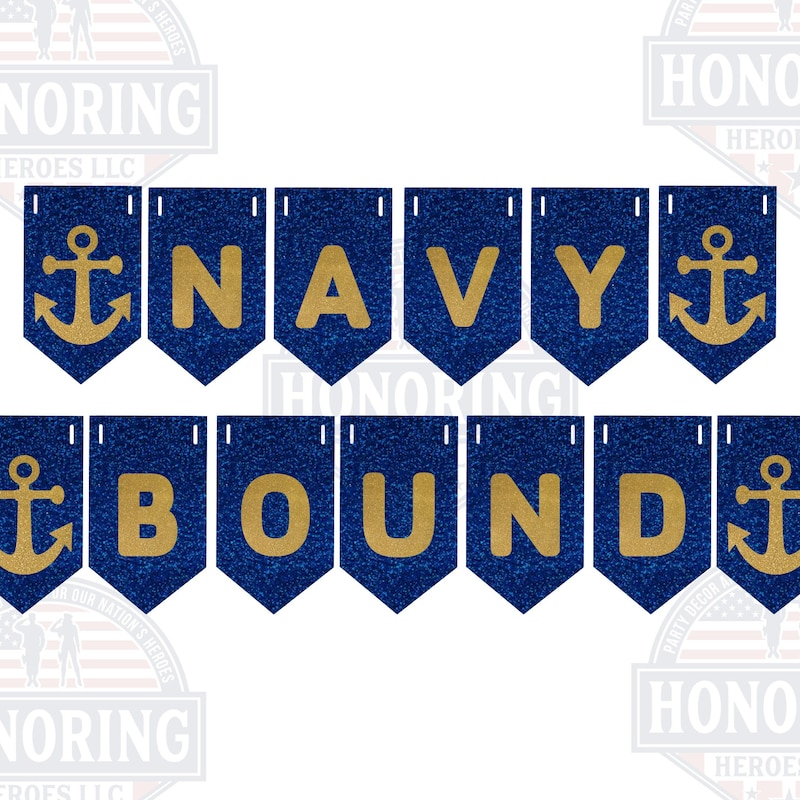
The world of maritime industries relies heavily on visual communication – and that includes captivating nautical banners. These banners are more than just decorative; they’re powerful tools for branding, promoting events, and driving sales. A well-designed nautical banner template can instantly communicate a sense of adventure, professionalism, and maritime heritage. Whether you’re a fishing charter company, a yacht broker, a maritime museum, or simply a business looking to enhance its brand image, a thoughtfully crafted nautical banner template can significantly boost your marketing efforts. This guide will explore the key elements of creating effective nautical banner templates, covering everything from choosing the right design to implementing them across various platforms. Understanding the nuances of these templates is crucial for achieving a professional and impactful visual presence. Let’s dive in and discover how to create stunning displays that capture the spirit of the sea.
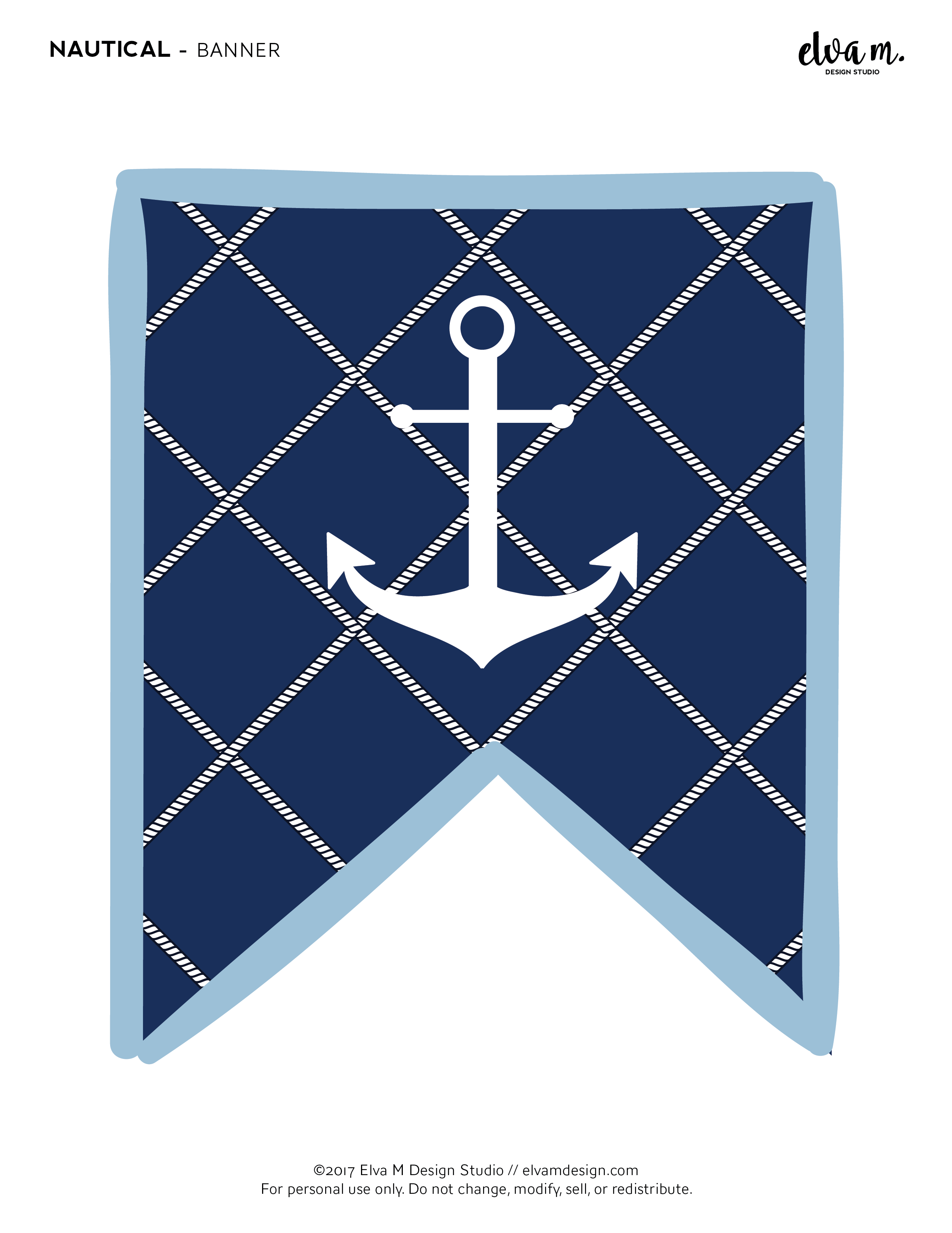
The core of a successful nautical banner template lies in its visual appeal and ability to effectively communicate a brand’s message. It’s a visual representation of a maritime theme, often incorporating elements like waves, ships, anchors, compasses, and nautical flags. The design should be consistent with the overall brand aesthetic, reflecting the company’s personality and target audience. A simple, elegant design can be just as effective as a complex, busy one, depending on the message you’re trying to convey. Consider the specific context – a banner for a fishing boat launch will differ significantly from one used for a maritime museum exhibit.
Understanding the Different Styles of Nautical Banner Templates
There’s a wide variety of nautical banner template styles available, each with its own distinct look and feel. Let’s examine a few popular options:
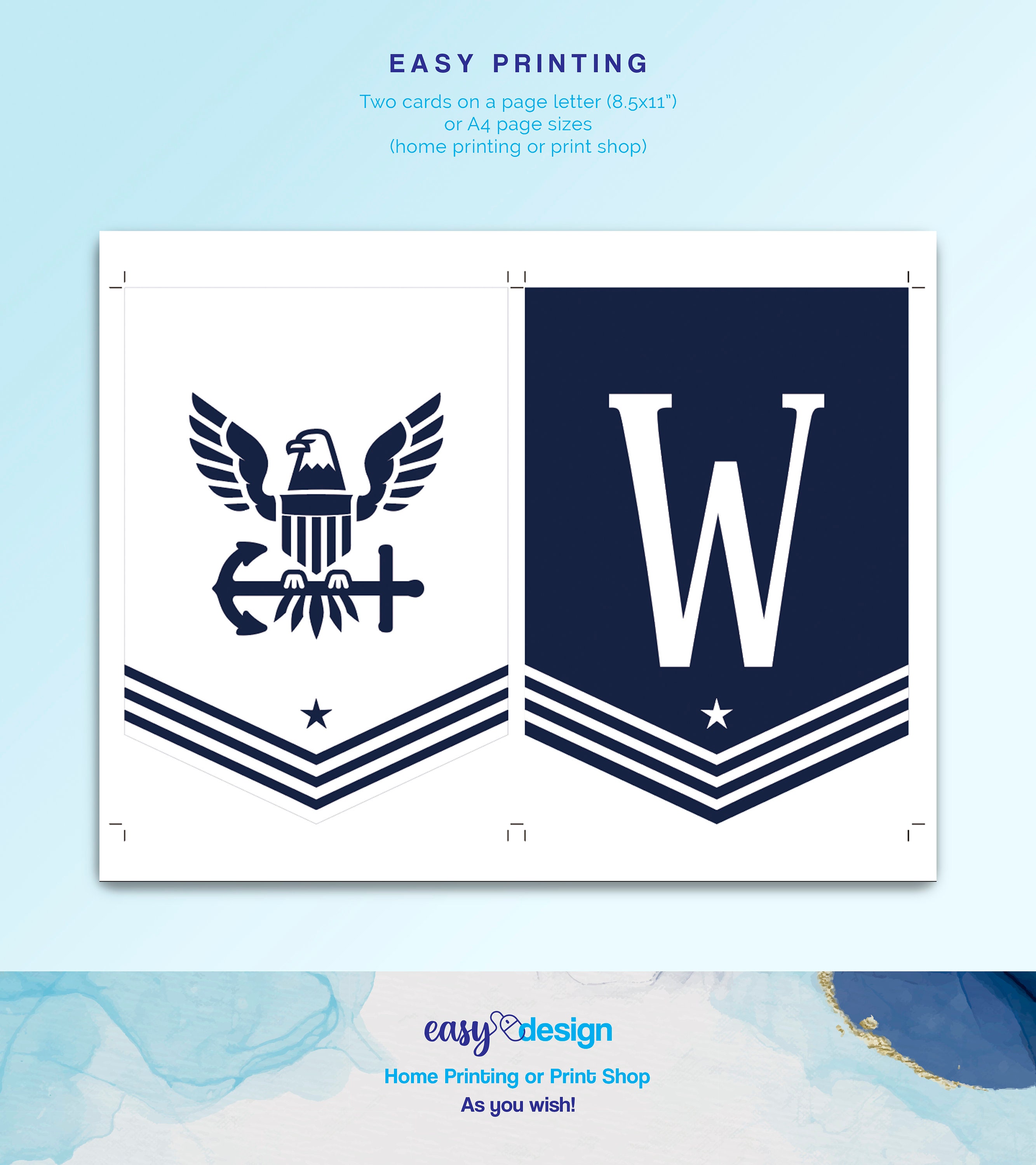
- Classic & Traditional: These templates often feature traditional nautical imagery – anchors, ropes, and weathered ships. They evoke a sense of history and reliability. They’re generally suitable for businesses that want to project an established and trustworthy image.
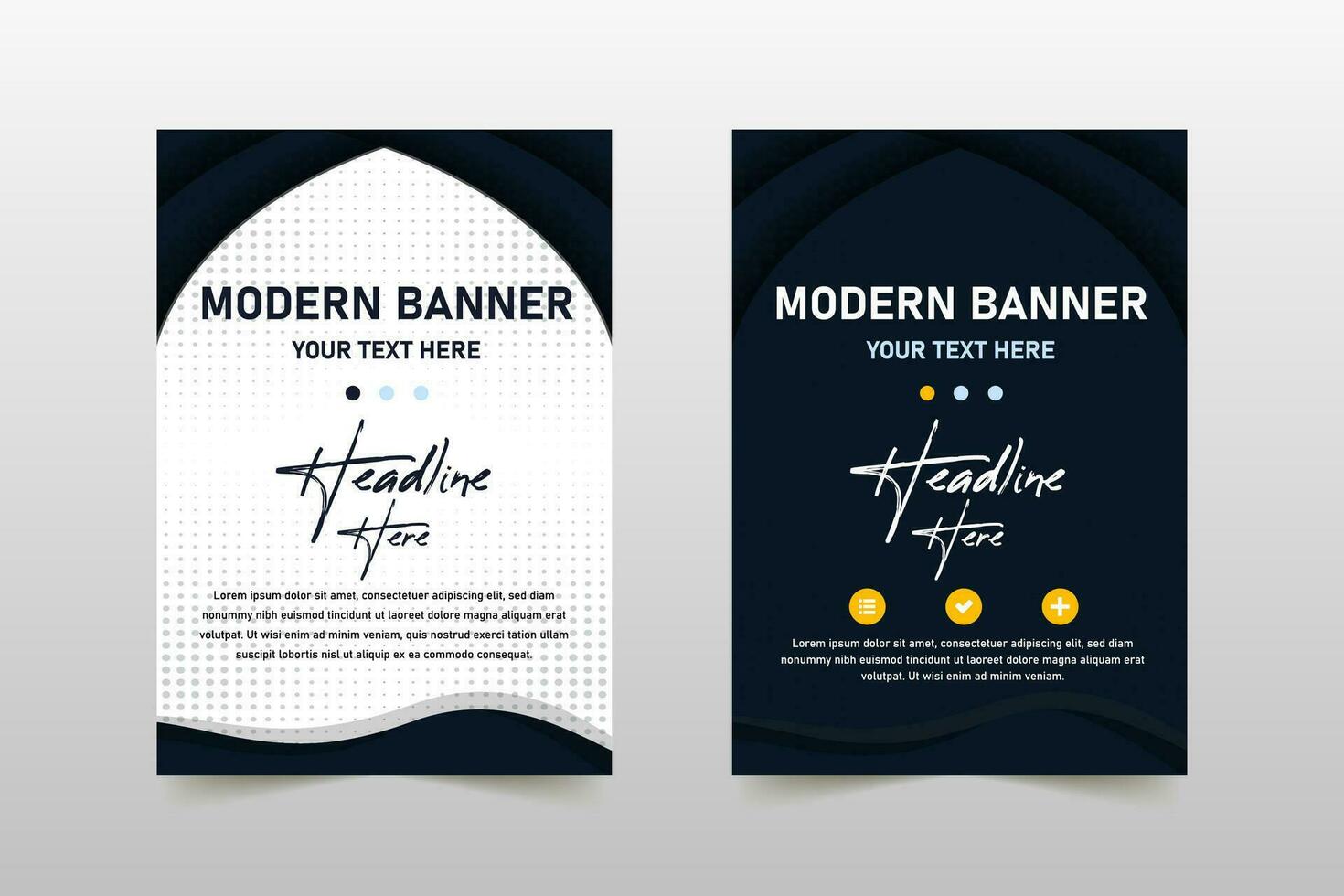
- Modern & Minimalist: These designs utilize clean lines, geometric shapes, and a limited color palette. They’re perfect for contemporary brands that want to appear sophisticated and forward-thinking. They often incorporate subtle nautical textures.
- Illustrated & Hand-Painted: These templates feature detailed illustrations of ships, marine life, and coastal landscapes. They add a touch of artistry and create a more immersive experience. They’re ideal for businesses that want to showcase their creativity and unique brand identity.
- Abstract & Geometric: These templates utilize abstract shapes and patterns inspired by the sea and sky. They’re a bold and eye-catching option, often used for brands that want to stand out from the crowd.
Choosing the right style depends entirely on your brand’s identity and the message you want to convey. Researching different styles and experimenting with different color palettes and imagery is essential.
Key Elements of a High-Quality Nautical Banner Template
Regardless of the style you choose, certain elements are crucial for creating a truly effective nautical banner.
- Color Palette: The color palette should complement the imagery and reflect the brand’s personality. Blues, greens, and sandy tones are traditional choices, but don’t be afraid to experiment with brighter, more vibrant colors to create a dynamic look. Consider using a limited palette (3-5 colors) for a cohesive and professional appearance.
- Typography: Select fonts that are legible and complement the overall design. Serif fonts often evoke a sense of tradition, while sans-serif fonts can appear more modern. Ensure sufficient contrast between the text and the background for optimal readability.
- Imagery: High-quality images are essential for a visually appealing banner. Use photographs of ships, marine life, or coastal landscapes. Consider using vector graphics for scalability and crispness.
- Layout & Composition: The layout is just as important as the imagery. Ensure that the elements are balanced and visually appealing. Consider using a grid system to create a structured and organized design. Whitespace (negative space) is crucial for preventing a cluttered look.
- Branding Elements: Incorporate your company logo, colors, and brand fonts to reinforce your brand identity. A subtle but effective placement of your logo can add a professional touch.
Creating a Nautical Banner Template: A Step-by-Step Guide
Let’s break down the process of creating a compelling nautical banner template.
- Define Your Brand: Start by clearly defining your brand’s identity – its values, target audience, and overall aesthetic. This will guide all subsequent design decisions.
- Gather Inspiration: Collect images, colors, and fonts that resonate with your brand. Browse online resources like Pinterest, Behance, and Dribbble for inspiration.
- Sketch Your Design: Create rough sketches of different layout options. Experiment with different arrangements of elements.
- Choose Your Software: Select a design software that suits your needs and skill level. Adobe Photoshop, Illustrator, and Canva are popular options.
- Create the Template: Using your chosen software, create the banner template based on your sketches and inspiration.
- Refine and Iterate: Review your design carefully and make any necessary adjustments. Get feedback from others and iterate on your design until you’re satisfied.
- Export and Optimize: Export your template in a high-resolution format (e.g., PNG or JPG) for optimal viewing on various devices. Optimize the file size to ensure fast loading times.
The Importance of Scalability and Responsiveness
A truly effective nautical banner template needs to be scalable – meaning it can be easily resized without losing quality. Furthermore, it should be responsive, meaning it adapts to different screen sizes (desktops, tablets, and smartphones). Many banner templates are designed with responsiveness in mind, but it’s important to test your design on various devices to ensure it looks good everywhere. Consider using a responsive design framework like Bootstrap to simplify the process.
Beyond the Basics: Advanced Techniques for Enhanced Impact
Once you have a solid foundation, you can explore more advanced techniques to elevate your nautical banner designs.
- Texture Overlay: Adding subtle textures – like waves or rope – can add depth and visual interest.
- Gradient Effects: Using gradients can create a sense of movement and dynamism.
- 3D Elements: Incorporating 3D elements can add a sense of realism and scale.
- Animation (for digital banners): For digital banners, consider adding subtle animations – such as waves rippling or a ship slowly rotating – to further engage the viewer.
Conclusion: Nautical Banner Templates – A Powerful Tool for Branding
Creating a successful nautical banner template is a significant investment, but the rewards can be substantial. By understanding the key elements of design, choosing the right style, and utilizing effective layout techniques, you can create visually stunning displays that effectively communicate your brand’s message and attract your target audience. The nautical theme offers a timeless and evocative visual language, making it a valuable asset for businesses seeking to establish a strong and memorable brand presence. Investing in a well-designed nautical banner template is an investment in your brand’s success. Don’t underestimate the power of a thoughtfully crafted visual representation of the sea – it can truly capture the essence of your business.