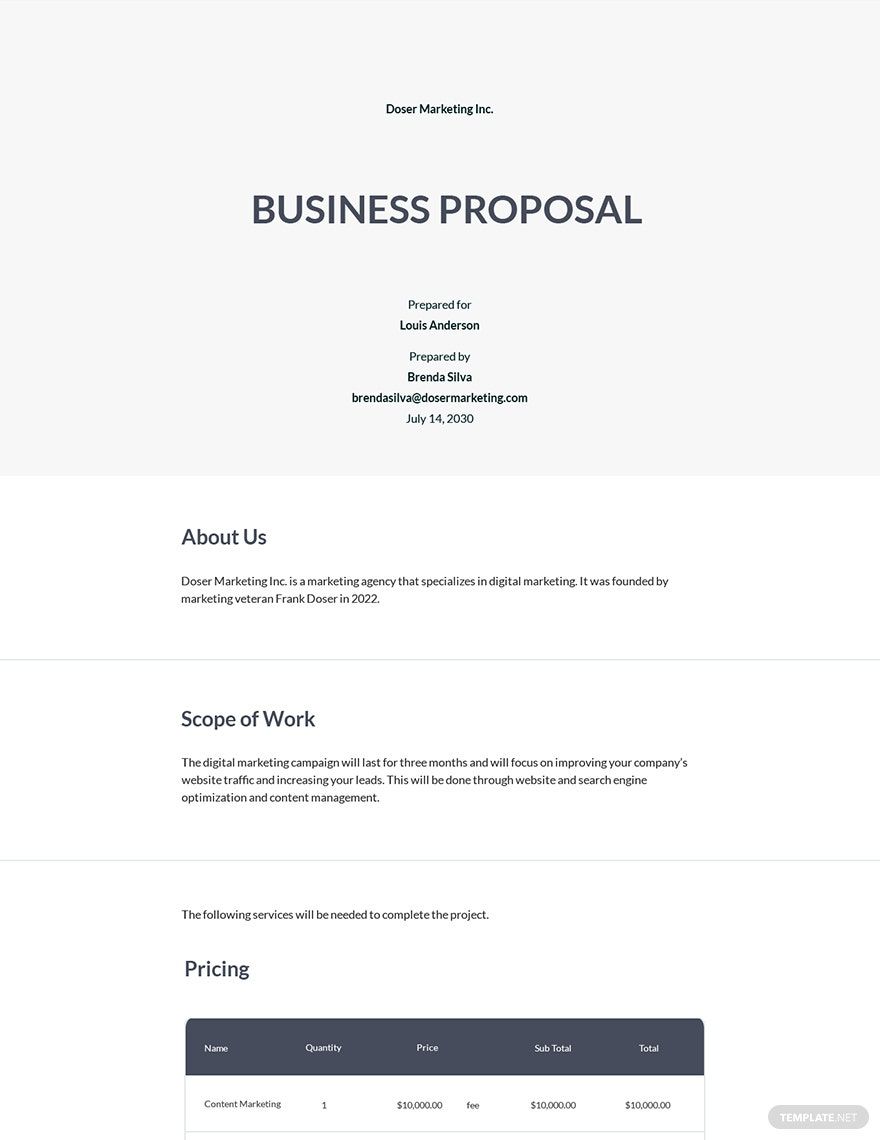
Creating a compelling business proposal is a crucial step in securing funding, partnerships, or clients. It’s more than just a document; it’s a strategic communication that demonstrates your understanding of the client’s needs and your ability to deliver a successful solution. A well-crafted proposal can significantly increase your chances of success. This guide will explore the essential elements of a simple business proposal template word, providing you with a solid foundation for crafting effective proposals that resonate with your audience. The core of a strong proposal lies in its clarity, professionalism, and ability to clearly articulate the value you offer. Let’s dive in.
Why a Simple Business Proposal Template Word Matters
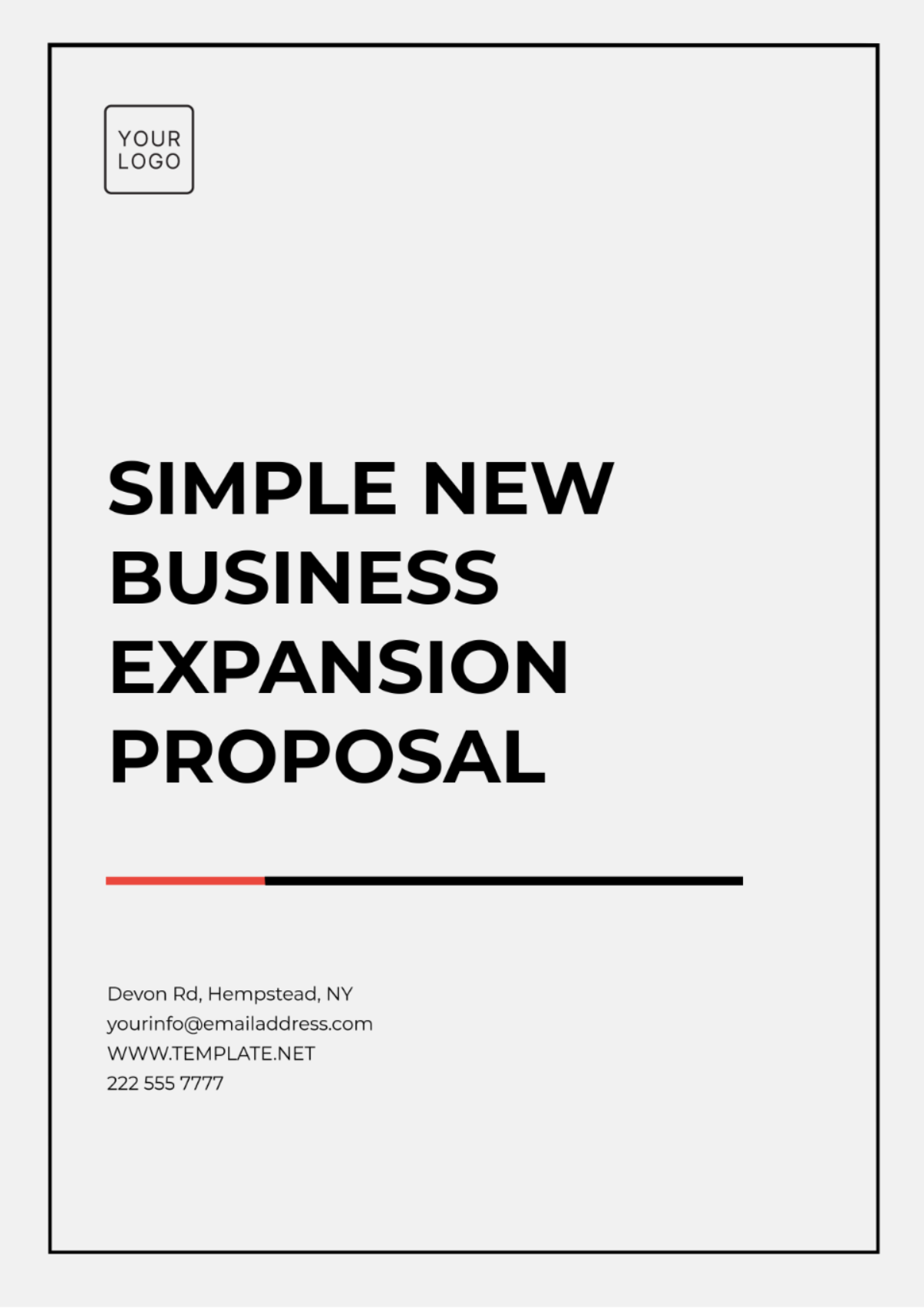
In today’s competitive landscape, businesses need to effectively communicate their value proposition. A simple business proposal template word offers a structured framework, ensuring consistency and professionalism. It’s a starting point, not a rigid blueprint. Using a template allows you to quickly adapt it to your specific needs, saving time and ensuring a polished final product. Furthermore, readily available templates provide a baseline understanding of what’s expected, reducing the initial overwhelm of creating a proposal from scratch. Choosing the right template is key – a poorly designed template can detract from your credibility. A clean, easy-to-read template is essential for conveying your message effectively.
The Core Components of a Successful Business Proposal
A truly effective business proposal typically includes several key components. These elements work together to present a comprehensive picture of your offering and its potential benefits. Understanding these components is vital for building a persuasive argument. The first and arguably most important element is a clear and concise executive summary. This brief overview should highlight the key points of your proposal and immediately capture the reader’s attention. It’s the first thing people read, so make it count. Following the executive summary is typically a detailed description of the problem you’re addressing and your proposed solution. This section lays the groundwork for the rest of the proposal. Next, you’ll need to outline your proposed approach – the specific steps you’ll take to achieve the desired outcome. This is where you demonstrate your expertise and provide a roadmap for success. Finally, a strong conclusion summarizes the proposal, reiterates the benefits, and includes a call to action. It’s a concise recap of everything presented.
Section 1: Understanding the Client’s Needs – A Deep Dive
Before outlining your solution, it’s critical to thoroughly understand the client’s needs and challenges. This initial assessment forms the foundation for a tailored proposal. Don’t just assume you know what they want; actively listen and ask clarifying questions. Conducting preliminary research into the client’s industry, business model, and existing processes can provide valuable insights. Consider their goals, pain points, and desired outcomes. A well-researched understanding of the client’s perspective demonstrates your commitment to a collaborative approach. Asking probing questions like, “What are your biggest challenges with [specific area]?” can reveal crucial information. Remember to take detailed notes during these conversations. This information will be woven throughout the proposal, demonstrating your understanding of their specific situation.
Section 2: Detailed Solution – The Heart of Your Proposal
This section is where you present your proposed solution in detail. It’s not enough to simply state what you’ll do; you need to explain how you’ll do it. Break down your proposed solution into manageable steps, clearly outlining the tasks involved and the timeline for completion. Use visuals, such as diagrams or flowcharts, to illustrate complex processes. For example, if you’re proposing a marketing campaign, you could include a visual representation of the campaign’s stages and key activities. Be specific about the technologies, methodologies, and resources you’ll utilize. Quantify your proposed solutions whenever possible – for example, “We will increase website traffic by 20% through SEO optimization.” This adds credibility and demonstrates the potential impact of your solution. Don’t be afraid to showcase your team’s expertise – highlighting relevant experience and qualifications is a powerful selling point.
Section 3: Benefits – Why Choose You?
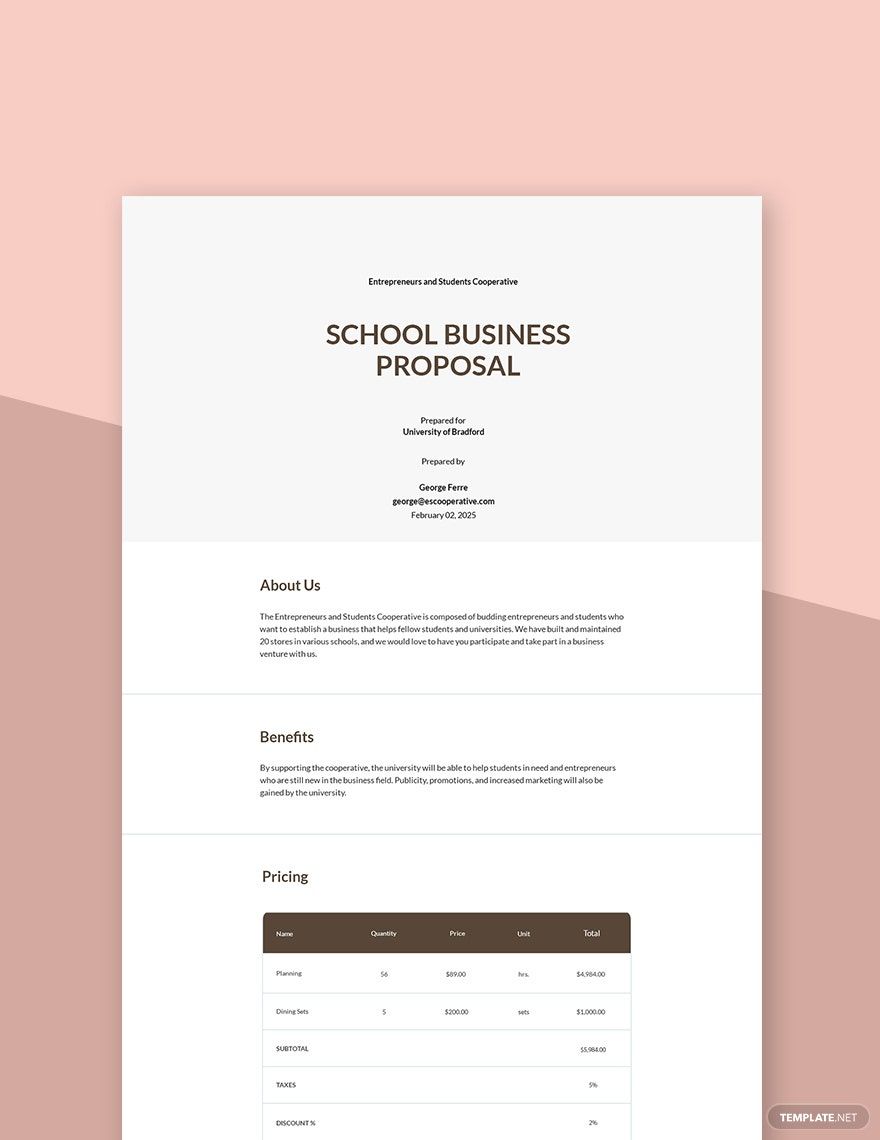
This section is all about highlighting the value you’re offering. It’s not enough to simply list features; you need to explain how those features translate into tangible benefits for the client. Focus on the outcomes – what will they achieve by working with you? Consider using the “benefits selling” approach, where you emphasize the positive results they’ll experience. For example, instead of saying “We offer SEO services,” you could say “We’ll increase your website’s organic search ranking, leading to more qualified leads and ultimately, increased sales.” Quantify the benefits whenever possible – “Our services are projected to reduce customer acquisition costs by 15%.” A clear articulation of the benefits demonstrates a strategic understanding of the client’s needs and a commitment to delivering a positive return on investment.
Section 4: Pricing and Timeline – Transparency is Key
Clearly outline your pricing structure, whether it’s fixed fees, hourly rates, or project-based pricing. Be transparent about all costs involved. Provide a detailed timeline for the project, outlining key milestones and deadlines. This demonstrates professionalism and helps the client understand the scope of the work. Consider including a breakdown of costs, such as labor, materials, and software. A realistic timeline is crucial for managing expectations and ensuring timely delivery. Don’t underestimate the importance of a well-defined timeline – it’s a key element of a successful proposal.
Section 5: Conclusion – A Strong and Memorable Closing
The conclusion should reiterate the key benefits of your proposal and leave a lasting impression. Summarize the main points, emphasizing the value you’re offering and the potential for success. Reiterate your commitment to a collaborative partnership. End with a clear call to action – requesting a meeting to discuss the proposal further or outlining the next steps. A strong conclusion reinforces the value proposition and encourages the client to take the next step. It’s a final opportunity to solidify the relationship.
Section 6: Appendix (Optional)
Include any supporting documents, such as resumes of key team members, case studies, or detailed specifications. This section can be helpful for providing additional information to the client.
Conclusion – Delivering a Winning Proposal
Crafting a simple business proposal template word is a significant investment of time and effort, but it’s an investment that pays off. By focusing on clear communication, a thorough understanding of the client’s needs, and a compelling presentation of your solution, you can significantly increase your chances of securing the business. Remember to tailor your proposal to each specific client and project, demonstrating your understanding of their unique requirements. Continuous refinement and optimization of your proposal template are also essential for maintaining its effectiveness over time. A well-executed proposal is more than just a document; it’s a strategic tool for achieving your business goals. Don’t underestimate the power of a well-structured proposal – it can be the difference between success and failure.
Conclusion
Creating a simple business proposal template word requires careful planning and attention to detail. By focusing on the core components outlined above – understanding the client’s needs, presenting a detailed solution, highlighting the benefits, and establishing a clear timeline – you can craft proposals that effectively communicate your value and secure new business opportunities. Remember to consistently review and update your template to reflect evolving industry trends and client requirements. Continuous improvement is key to maintaining a competitive edge in the business proposal landscape.